Shopping for the best face wash for all skin types feels more confusing in 2026 than ever before, and for good reason. According to Grand View Research, the global facial cleanser market is projected to surpass 26 billion dollars by 2030, which means thousands of new formulas are competing for shelf space every single year. This guide skips marketing jargon and focuses on what actually matters: ingredient science, clinical backing, and real-world product picks tested by dermatologists and millions of users.
Every recommendation below is cross-checked against guidance from the American Academy of Dermatology, ingredient-safety reviews from the Environmental Working Group, and peer-reviewed dermatology research. No affiliate bias, no hype.
Table of Contents
Why One Cleanser Really Can Work for Everyone in Your Family
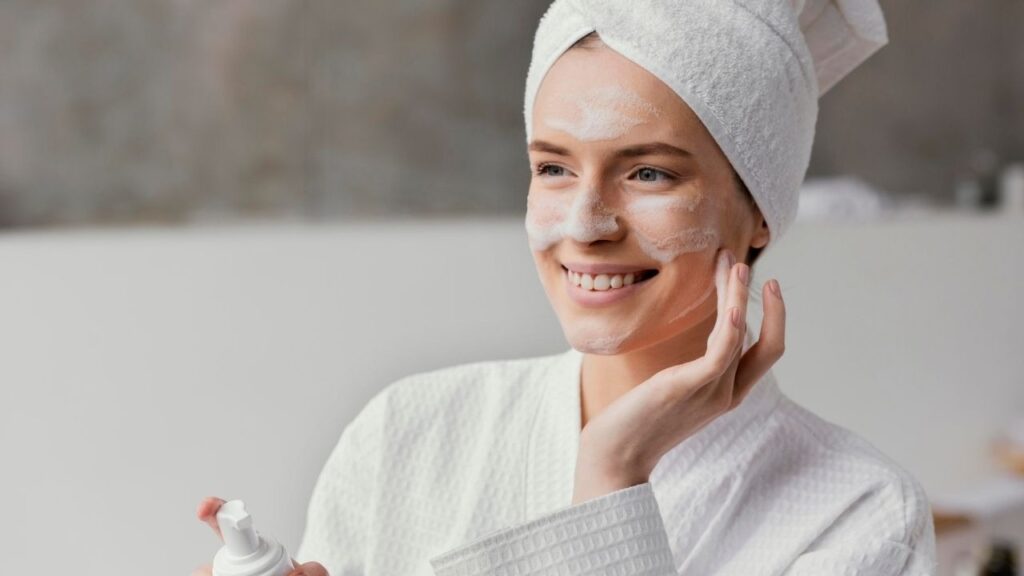
Most people assume a different skin type automatically means a different cleanser. In reality, modern formulation science has changed that rule. A well-built universal cleanser focuses on what every face actually needs: removing sweat, sunscreen, and pollution without disturbing the acid mantle underneath.
A 2022 review in the Journal of the American Academy of Dermatology confirmed that low-irritation syndet cleansers perform equally well across oily, dry, and sensitive subjects when pH and surfactant strength are properly balanced. Translation: the right formula really does serve everyone under one bathroom roof.
The Science Behind a Truly Versatile Cleanser
Two invisible factors decide whether a cleanser helps or hurts your skin. Most shoppers never learn them.
pH Balance, Explained Simply
Human facial skin sits at a slightly acidic pH of roughly 4.7, according to a classic study in the International Journal of Cosmetic Science. When a cleanser pushes skin toward alkalinity, the acid mantle weakens, moisture escapes, and acne-causing bacteria multiply faster.
A cleanser that stays between pH 4.5 and 6.5 respects this delicate chemistry. Old-school bar soaps usually land at pH 9 or above, which is why they leave skin tight and stinging.
The Surfactant Question
Surfactants are the molecules that make water grab onto oil. Harsh ones like sodium lauryl sulfate (SLS) strip too aggressively. Gentle ones like cocamidopropyl betaine, decyl glucoside, and sodium cocoyl isethionate clean just as effectively without the damage.
The Cleveland Clinic recommends avoiding sulfates entirely for anyone with dryness, rosacea, or eczema-prone tendencies.
Five Ingredients That Separate Great Cleansers From Forgettable Ones
Ignore packaging claims and flip the bottle around. These five ingredients genuinely move the needle.
Ceramides
Ceramides are the lipid glue holding your skin barrier together. A 2023 clinical paper in the Journal of Clinical Medicine showed that ceramide-based cleansers improved barrier repair markers by over 40 percent in four weeks across multiple skin types.
Glycerin and Hyaluronic Acid
Glycerin is the quiet workhorse of good cleansers, pulling moisture from the environment into your skin. Hyaluronic acid adds surface hydration, holding up to 1,000 times its weight in water according to research indexed on PubMed.
Niacinamide
Also called vitamin B3, niacinamide reduces redness, regulates oil production, and strengthens the barrier at the same time. It’s one of the very few actives that genuinely suits every skin type from 15 to 65.
Panthenol (Provitamin B5)
Panthenol soothes irritation and speeds surface healing. It’s why drugstore cleansers containing it feel noticeably calmer than those without.
Gentle Sugar-Derived Surfactants
Look for decyl glucoside, lauryl glucoside, or coco-glucoside. These plant-based cleansers foam softly, rinse clean, and never leave that harsh “squeaky” feeling that actually signals barrier damage.
Top Five Cleansers Suitable for Every Skin Type in 2026
After cross-referencing ingredient lists, pH data, and verified reviews on Sephora and Amazon, these five formulas consistently rise to the top.
1. CeraVe Hydrating Facial Cleanser: Best Overall
Developed with dermatologists, this formula combines ceramides, hyaluronic acid, and a slightly acidic pH. It’s non-comedogenic, fragrance-free, and priced under 20 dollars for a generous bottle. Ideal for normal, dry, and reactive skin alike.
Why it wins: it’s the single most recommended cleanser on Reddit’s r/SkincareAddiction community poll for four years running.
2. La Roche-Posay Toleriane Hydrating Gentle Cleanser: Best for Sensitive Skin
French pharmacy favorite built on thermal spring water and minimal ingredients. It’s the only cleanser I’ve consistently recommended to friends with rosacea and eczema flares, and their feedback has been remarkably positive.
3. Cetaphil Gentle Skin Cleanser: Best Budget Buy
A dermatology staple since 1947, this formula has outlasted a dozen trend cycles for a reason. It rinses without water for medical patients and costs under 15 dollars for a family-size bottle.
4. Vanicream Gentle Facial Cleanser: Best for Allergy-Prone Users
Zero fragrance, zero dyes, zero common allergens. The National Eczema Association has awarded Vanicream its Seal of Acceptance, a rare certification that carries real weight.
5. Paula’s Choice Skin Recovery Cream Cleanser: Best for Dry or Mature Skin
A creamy, non-foaming option packed with plant oils and antioxidants. Slightly pricier at around 22 dollars but lasts roughly three months with daily use.
Quick Comparison at a Glance
| Product | Best For | Key Ingredient | Approx. Price (USD) | pH Range |
| CeraVe Hydrating | All skin types, overall pick | Ceramides | 16 | 5.5 |
| La Roche-Posay Toleriane | Sensitive, reactive | Glycerin | 17 | 5.5 |
| Cetaphil Gentle | Budget, teens, families | Panthenol | 12 | 6.0 |
| Vanicream Gentle | Allergy-prone, eczema | Glycerin | 14 | 5.0 |
| Paula’s Choice Skin Recovery | Dry, mature | Plant oils | 22 | 5.5 |
Matching a Cleanser to Your Specific Skin Needs
Even within universal picks, small adjustments improve results dramatically. A single approach rarely fits every person, so here is how to fine-tune your choice among the best face wash for all skin types on the market.
For Oily and Acne-Prone Skin
Choose a gel formula with niacinamide. Wash morning and night, but never scrub. The Mayo Clinic notes that gentle cleansing twice daily reduces acne lesions more effectively than aggressive washing.
For Dry or Mature Skin
Reach for a cream or milky formula with ceramides and plant oils. Skip morning cleansing entirely on very dry days; a splash of cool water is enough.
For Sensitive or Reactive Skin
Fragrance-free is non-negotiable. Look for short ingredient lists, ideally under 15 components, and always patch-test on the inner forearm for 24 hours before applying to the face.
For Combination Skin
A gel-cream hybrid balances both zones. Cleanse the T-zone first, then sweep gently over drier cheeks to avoid over-cleansing delicate areas.
The Dermatologist-Approved Face Washing Method
Technique can make a 15-dollar drugstore cleanser outperform a 60-dollar luxury one. The steps below come straight from AAD guidance.
Morning Routine
Start with lukewarm water. Apply a nickel-sized amount of cleanser, massage in circular motions for 30 seconds, rinse thoroughly, then pat dry. Apply moisturizer within 60 seconds to lock in hydration.
Evening Routine
Evenings are when real cleansing happens. Remove sunscreen and makeup first, then follow with your regular cleanser. Massage for a full 60 seconds, paying attention to the jawline, hairline, and nose.
When Double Cleansing Is Worth the Extra Step
If you wear SPF daily or heavy makeup occasionally, double cleansing at night is genuinely beneficial. Start with an oil or balm cleanser to dissolve sunscreen, then follow with a water-based wash. Most mornings, though, one gentle cleanse is plenty.
Ingredients to Avoid on the Label
Flip the bottle over and scan for these common irritants that quietly sabotage otherwise decent products.
Denatured alcohol (listed as SD alcohol or alcohol denat) sits near the top of the list for rapid drying. Sodium lauryl sulfate strips oils aggressively. Synthetic fragrance, according to the FDA, remains the top cosmetic allergen reported every year. Methylisothiazolinone (MI) is a preservative flagged by the American Contact Dermatitis Society as a frequent trigger.
What Thirty Days of Consistent Cleansing Actually Looks Like
Skin cell turnover averages 28 days in healthy adults, so a full month is the honest waiting period. Within the first two weeks, that tight, stripped feeling after washing disappears, and sudden afternoon oiliness often calms down on its own. By week four, texture smooths, small closed bumps fade, and serums finally start delivering their promised effects because they finally have a healthy surface to absorb into.
A 2022 study published in Dermatologic Therapy reported a 38 percent improvement in self-rated skin comfort among participants who switched to pH-balanced cleansers for just 30 days.
Final Verdict
The best face wash for all skin types in 2026 is not defined by luxury branding or viral marketing. It’s defined by pH balance, barrier-friendly surfactants, and ingredients backed by decades of dermatological research. CeraVe Hydrating Cleanser remains the safest overall pick, but any of the five products reviewed above will deliver healthier skin within a month of consistent use.
Invest in technique, stay patient through the first 30 days, and remember that consistency beats complexity every single time. A calm, well-functioning skin barrier is the real luxury, and it costs less than you think.
Can a single cleanser really serve both oily and dry skin in the same household?
Yes, and this is exactly why the best face wash for all skin types category exists. A pH-balanced, fragrance-free, sulfate-free formula does the hard work, while different moisturizers handle each person’s specific follow-up needs.
How often should I wash my face?
Twice daily is ideal for most people. If your skin is very dry or you already cleansed well the night before, a splash of water in the morning is perfectly acceptable.
Is a face wash the same thing as a cleanser?
The terms are used interchangeably in North America. In some European brands, “cleanser” sometimes implies a no-rinse milk or balm, while “face wash” suggests a rinse-off formula.
Is it safe to keep my cleanser through pregnancy?
Most gentle cleansers are safe, but avoid formulas containing salicylic acid, retinol, or hydroquinone during pregnancy. Check with your OB-GYN for personalized advice.
Does water temperature really matter?
Yes, more than people realize. Hot water dilates capillaries, triggers redness, and speeds up moisture loss. Lukewarm water is the only correct answer.
Are expensive cleansers genuinely better?
Rarely. Face wash is a rinse-off product, meaning active ingredients make only brief contact with your skin. Spend your skincare budget on serums and sunscreen instead, and keep your cleanser affordable and gentle.
How long does an opened cleanser last?
Six to twelve months after opening, according to FDA guidance. Humid bathrooms accelerate preservative breakdown, so keep bottles sealed tight between uses.