The soft life era is rewriting the rules of what it means to live well. For over a decade, hustle culture told us that grinding through exhaustion was the only path to success. Now, a growing number of people, especially Gen Z and millennials, are walking away from that mindset entirely.
This shift is not about laziness or giving up ambition. It is about choosing wellness, rest, and intentional living over chronic stress that damages both body and mind. If you have ever felt trapped on a treadmill of overwork with no finish line in sight, this guide breaks down what this movement actually looks like, where it came from, and seven practical habits you can start today.
Table of Contents

What Does Living a Soft Life Actually Mean?
At its core, this philosophy centers on reducing unnecessary stress and building a daily routine around what genuinely matters to you. Think of it as a conscious decision to stop glorifying struggle and start protecting your energy.
Therapist and trauma expert Lauren Auer of Steadfast Counseling explained this well, noting that this approach means making decisions rooted in what feels right for you, respecting your own needs, and aligning choices with your personal values. It is not about avoiding responsibility. It is about approaching life with balance, firm boundaries, and a clear sense of purpose.
Therapists are increasingly recognizing the clinical value of this mindset. According to Grow Therapy, the concept aligns well with established therapeutic approaches like Acceptance and Commitment Therapy (ACT) and Dialectical Behavior Therapy (DBT), where self-compassion and boundary-setting are core skills.
The Difference Between Soft Living and Being Passive
One of the biggest misconceptions is that choosing ease means doing nothing. That could not be further from the truth. People living this way still work hard, pursue goals, and handle responsibilities. The difference lies in how they approach those things.
Instead of running on adrenaline and anxiety, they operate from a place of calm. They say no to commitments that drain them without guilt. They prioritize sleep, relationships, and mental health alongside professional achievement.
Soft Life vs Hustle Culture: A Direct Comparison
Understanding what separates these two mindsets makes the choice clearer. Here is a practical side-by-side breakdown:
| Factor | Hustle Culture | Intentional Soft Living |
| Work hours | 50 to 70+ hours weekly, always on | Defined hours with firm boundaries |
| Rest | Viewed as laziness | Treated as essential for performance |
| Success metric | Income and status | Wellbeing, relationships, and fulfillment |
| Stress response | Normalized and glorified | Recognized and actively managed |
| Long-term health | Higher burnout and chronic disease risk | Lower stress hormones and better immunity |
| Self-worth | Tied to output and productivity | Rooted in personal values and peace |
Origins of This Movement: From Nigeria to Global Virality
The concept first gained traction within Nigerian influencer circles, where Black women creators began posting about rejecting the narrative that life must always be a struggle. They shared content centered on comfort, luxury, and unapologetic rest. This was a direct pushback against generations of glorified hardship.
The hashtag #softlife exploded on TikTok, amassing over 9.4 million posts and billions of cumulative views. TechTimes reported that the movement accumulated 12.2 million views on TikTok during its early viral phase alone. What started as an empowerment declaration became a global conversation about how we define a good life.
Why Gen Z Turned This Into a Cultural Shift
This generation did not invent the desire to escape overwork. Baby Boomers questioned the rat race in the 1970s, and Gen X produced anti-corporate classics like Office Space. But Gen Z gave the idea a visual identity, algorithm-friendly format, and community language that made it spread faster than any previous iteration.
The timing mattered too. Post-pandemic fatigue, skyrocketing living costs, and stagnant wages created a perfect storm. Young adults realized that grinding endlessly was not delivering the financial stability previous generations promised. According to a Medium analysis, creators began uploading peaceful morning routines with captions like “my boss doesn’t decide my cortisol levels,” signaling a complete rejection of work-obsessed identity.
The Burnout Crisis That Fueled This Lifestyle Change
The numbers behind workplace burnout tell a story that explains exactly why millions are rethinking their relationship with work.
According to the 2025 Aflac WorkForces Report, workplace burnout in the United States reached a seven-year high. Nearly 72% of employees reported moderate to very high stress levels at work. Gen Z surpassed millennials as the most burned-out generation, with 74% experiencing at least moderate burnout.
The Eagle Hill Consulting Workforce Burnout Survey 2025 found that 55% of the entire U.S. workforce is experiencing burnout. Burned-out employees are nearly three times more likely to leave their employer within the coming year. Gen Z burnout rates hit 66%, the highest of any generation surveyed.
What Chronic Stress Does to Your Body
Burnout is not just a mental health issue. It carries measurable physical consequences. Prolonged exposure to stress hormones raises blood pressure, weakens the immune system, and disrupts sleep cycles.
Research compiled by Growthalista found that burnout has been linked to a 21% increase in cardiovascular disease risk and an 84% increased risk of Type 2 diabetes. One-third of workers now maintain a side hustle just to keep up with rising living costs, further intensifying the cycle of overwork and exhaustion.
When you understand these numbers, the soft life era stops looking like a TikTok trend and starts looking like a survival strategy backed by medical evidence.
Real Benefits of Choosing a Calmer Approach
Shifting away from constant pressure creates measurable improvements across multiple areas of your life. These are not vague promises. They are outcomes supported by research and reported consistently by people who make this transition.
Mental and Emotional Wellness
When your nervous system is not stuck in fight-or-flight mode, your brain can process emotions more effectively. You make sharper decisions. Anxiety decreases. Sleep quality improves significantly.
People who set clear work-life boundaries report feeling more in control of their daily experience. The Mental Health UK Burnout Report 2025 found that young adults aged 18 to 24 who received reasonable workplace adjustments (54%) and professional mental health support (44%) saw meaningful reductions in stress levels.
Nervous System Regulation and Emotional Resilience
One of the less discussed but most powerful benefits is how this lifestyle supports nervous system regulation. When you consistently reduce exposure to unnecessary stressors, your body shifts from a chronic sympathetic (fight-or-flight) state to a parasympathetic (rest-and-digest) state. This is not wellness jargon. It is basic physiology that affects everything from your digestion to your decision-making capacity.
Stronger Personal Relationships
When you are not constantly drained, you show up as a better partner, friend, and family member. You have energy left for meaningful conversations rather than collapsing on the couch each evening too exhausted to engage.
Healthy boundaries also prevent resentment. You stop overcommitting, which means the time you do give to others is genuine and freely chosen. Sunita Sah, an organizational psychologist and professor at Cornell University, noted in an APA feature that setting boundaries is a value-based act of protecting time, energy, and capacity. She described it as a form of care, not just for yourself but for the people around you.
Physical Health Gains
Less stress translates directly into measurable physical improvements. People who adopt a calmer lifestyle consistently report better sleep quality, fewer headaches, improved digestion, and stronger immune function.
The Aflac report also found that employees who feel a sense of belonging at work, a key element of gentle self-care and supportive living, experience far less stress (30% vs. 56%) and lower burnout (55% vs. 78%) compared to those who feel disconnected.
7 Daily Habits for a Softer, More Intentional Life
You do not need to quit your job or move to a countryside cottage to start living more intentionally. These seven habits can be adopted gradually, and each one builds on the last.
Habit 1: Start Your Morning Without Screens
A soft life morning routine begins before your phone does. Give yourself 20 to 30 minutes each morning before checking emails, social media, or news. Use that time for gentle stretching, journaling, or simply sitting with a warm drink in silence.
This single habit reduces cortisol spikes that come from immediately absorbing other people’s demands and bad news. Your morning sets the tone for your entire day, so protect it fiercely.
Habit 2: Audit Where Your Energy Goes
Spend one week tracking what drains you and what restores you. Write it down. Most people discover that a handful of specific commitments, habits, or relationships consume a disproportionate amount of their energy.
Once you see the pattern clearly, you can make targeted changes instead of vague resolutions. Cancel the recurring obligation that consistently exhausts you. Mute the group chat that spikes your anxiety. Protect the first hour of every morning before emails take over.
Habit 3: Set One Non-Negotiable Boundary
Pick one boundary this week and hold it without apologizing. It could be “I do not respond to work messages after 7 PM” or “I leave social events when my energy drops.” Boundaries are the infrastructure of peaceful living.
The American Psychological Association published research in 2025 confirming that strong boundary-setting reduces energy depletion, prevents emotional negativism, and protects against long-term burnout.
Habit 4: Redefine What Productivity Means to You
Hustle culture equates busyness with value. Intentional living rejects that equation entirely. A productive day can include a long walk, an uninterrupted meal, or an afternoon spent reading, as long as it serves your wellbeing.
This reframing is not fluffy. Research consistently shows that rest improves creativity, problem-solving, and long-term output. You produce better work when your brain is not running on fumes.
Habit 5: Build a 15-Minute Wind-Down Ritual
Before bed, create a consistent ritual that signals your body it is time to rest. Light a candle, do some gentle stretching, read a physical book, or practice gratitude journaling. Avoid screens during this window.
Sleep quality improves dramatically when your nervous system gets a clear transition signal between activity and rest. This small investment pays enormous dividends in how you feel the next morning.
Habit 6: Practice Gentle Self-Care Without Guilt
Self-care in the context of mindful living does not require expensive spa days or luxury products. It means cooking a nourishing meal instead of stress-eating takeout. It means going to bed on time instead of doomscrolling until midnight. It means choosing one restorative activity each day that serves your emotional resilience.
Wellness expert Nour Awadallah explained in TheEveryGirl that rest is not optional in this lifestyle. It is foundational. Embracing rest without guilt means understanding that it is essential for your wellbeing and just as important as any other responsibility.
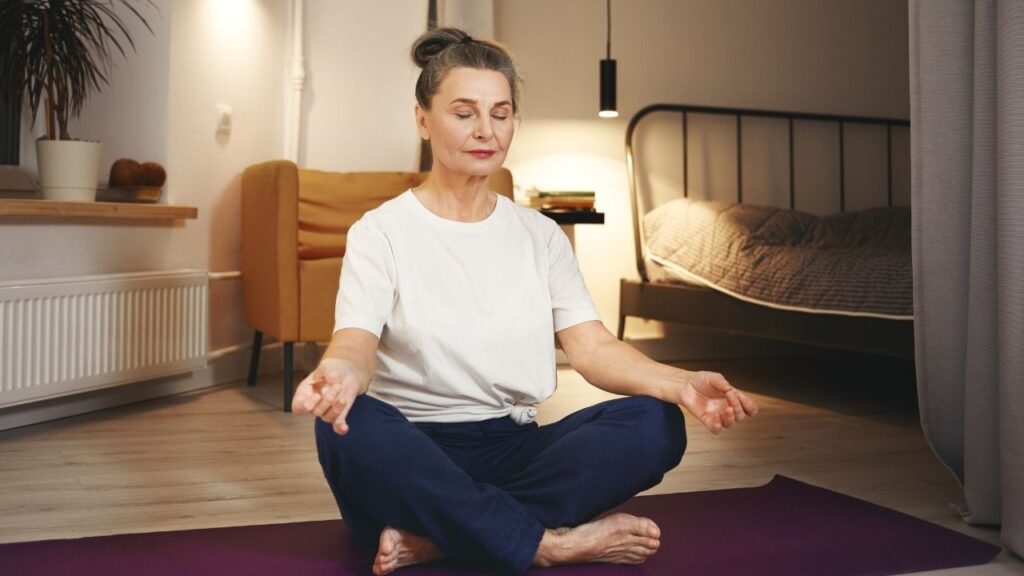
Habit 7: Surround Yourself With People Who Get It
Community shapes behavior more than willpower does. Surround yourself with people who respect your boundaries and share your values around rest and balance. The journey away from hustle culture becomes significantly harder when everyone around you is still glorifying burnout.
Online communities, local wellness groups, and even therapy can provide the support structure you need to stay consistent long-term.
How to Live a Soft Life on a Budget
The most common pushback against the soft life era is that it is a privilege reserved for people who can afford to work less. That criticism holds some truth, as structural inequality means not everyone has equal access to reduced work hours.
However, this philosophy is fundamentally about mindset, not income level. Peaceful living does not require luxury purchases or expensive retreats.
Budget-Friendly Soft Life Strategies
Here are practical ways to embrace peaceful living without spending extra money:
- Set firm after-work boundaries to protect your free time at zero cost
- Cook simple nourishing meals at home instead of stress-eating expensive takeout
- Use free meditation apps like Insight Timer or public library audiobooks for daily restoration
- Take neighborhood walks or visit public parks for low-cost nervous system regulation
- Practice gratitude journaling with any notebook you already own
The key is refusing to romanticize struggle and making small daily choices that prioritize your wellbeing within your existing financial constraints. A stress-free lifestyle is built from decisions, not dollars.
Challenges and Honest Criticisms
No lifestyle shift comes without friction. Understanding the real obstacles helps you prepare for them instead of being caught off guard.
Social Pressure and Judgment
Society still rewards visible busyness. Telling someone you spent Saturday doing nothing can feel deeply uncomfortable in a culture that measures worth by output.
The 2025 Aflac report found that fewer employees are confident their employer cares about mental health. That number dropped to just 48%, down from 54% in 2024. This declining trust shows that many workplaces have not yet caught up with the shift in employee values.
Avoiding the Social Media Comparison Trap
TikTok and Instagram portray the soft life era through curated aesthetics: luxury vacations, spa days, designer candles. The reality for most people looks very different. It looks like choosing to go to bed on time, saying no to a draining commitment, or spending an evening without your phone.
Your version of this lifestyle does not need to look Instagram-worthy. It needs to feel restorative to you personally.
When Softness Becomes Avoidance
Therapists also caution against using this philosophy as a reason to avoid necessary responsibilities or difficult emotions. According to Grow Therapy, clinicians recommend that people learn to distinguish between setting healthy boundaries and avoiding necessary tasks or emotions. The goal is balance, not escape.
Building Long-Term Sustainability
Quick fixes fade. Building a lasting relationship with intentional living requires deeper structural changes that support your nervous system and daily rhythms.
Design Your Physical Environment for Calm
Your physical space affects your mental state more than most people realize. Declutter one room at a time. Add soft lighting. Create a corner that is exclusively for rest, with no screens and no work materials.
Small environmental changes send a signal to your brain that you are safe and allowed to relax. Over time, this gradually reprograms your stress response toward a calmer baseline.
Create a Soft Life Morning Routine That Works for You
Your morning routine is the foundation of your entire day. A well-designed morning does not need to be complicated. It just needs to be yours.
Wake up 20 minutes earlier than necessary. Skip the phone for the first half hour. Drink water. Sit quietly or do gentle movement. Eat something nourishing before rushing into obligations. These small acts of intentional living compound into a dramatically different experience of your days, weeks, and months.
What exactly is the soft life era?
This cultural movement centers on choosing peace, comfort, and emotional wellbeing over the constant grind of hustle culture. It originated in Nigerian influencer communities and went viral on TikTok with over 9.4 million posts. The focus is on setting boundaries, practicing self-care, and building a life that feels restorative rather than exhausting. Therapists increasingly recognize its alignment with evidence-based approaches like ACT and DBT.
Is this lifestyle only for wealthy people?
Not at all. While social media often showcases luxury versions, the core philosophy is about mindset and intentional choices. You can protect your evenings from work demands, practice gratitude, and prioritize rest regardless of your income level. Free resources like meditation apps, neighborhood walks, and library books support this lifestyle at zero cost. It is about working smarter and living more deliberately, not spending more money.
How is this different from being lazy?
Intentional living requires active decision-making, self-awareness, and discipline. Setting boundaries, managing stress, and building a balanced routine takes real effort. The difference from hustle culture is not effort versus laziness. It is sustainable effort versus burnout-inducing overwork. Therapists emphasize that true boundary-setting is a value-based act that demands more self-awareness than simply saying yes to everything.
Can I still be ambitious while living softly?
Absolutely. This approach does not require abandoning your career goals. Many people find they perform better professionally when they are rested, focused, and emotionally regulated. Ambition and peace can coexist when you stop treating exhaustion as proof of dedication. Research from the Eagle Hill survey shows that burned-out employees are three times more likely to quit, meaning hustle culture actually undermines long-term career success.
What are the first steps to start living this way?
Begin by identifying your biggest energy drains and eliminating or reducing one this week. Establish a non-negotiable wind-down routine each evening. Practice saying no to one request that does not serve your wellbeing. Start your mornings without screens for 20 minutes. These small shifts create momentum toward a calmer, more intentional daily experience.
Does research support the benefits of reducing hustle culture?
Yes. Multiple 2025 studies confirm that chronic workplace stress damages physical health, mental wellness, and even job performance. The Aflac WorkForces Report found burnout at a seven-year high, with 74% of Gen Z workers affected. The Eagle Hill survey showed burned-out employees are three times more likely to quit. Burnout increases cardiovascular disease risk by 21% and Type 2 diabetes risk by 84%. Reducing stress is not just a lifestyle preference. It is an evidence-based health decision.
How long does it take to see results from living more intentionally?
Most people notice changes within two to four weeks of consistent practice. Sleep improves first, followed by reduced anxiety and better emotional regulation. Deeper shifts in relationships and overall life satisfaction typically emerge after two to three months. The key is consistency rather than perfection, as small daily habits compound over time into transformational change.