Sun and swim hair protection is one of the most overlooked parts of any summer beauty routine, yet it can mean the difference between vibrant, bouncy locks and dry, straw-like strands by September. Every warm-weather season, millions of people expose their hair to a triple threat of ultraviolet radiation, chlorinated pool water, and ocean salt without a single line of defense.
This guide shares research-backed strategies and professional stylist techniques that actually prevent summer hair damage. You will learn the science behind UV and chemical hair deterioration, proven pre-swim and post-swim routines, and smart product choices that keep every hair type looking its best from June through August.
Table of Contents
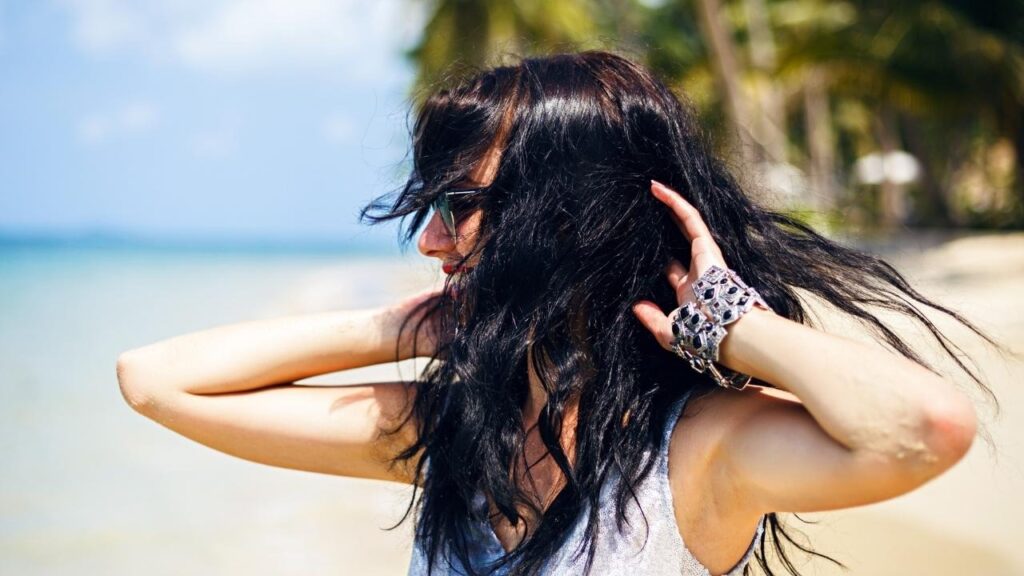
How UV Radiation and Pool Chemicals Destroy Hair Structure
Understanding the damage mechanism is the first step toward prevention. Hair is not just dead protein it is a carefully organized structure of cuticle scales, cortex fibers, and natural lipids that all respond to environmental stress.
What Ultraviolet Light Does to Your Strands
UV radiation attacks hair on a molecular level. According to research published in the Journal of Photochemistry and Photobiology, UVB wavelengths primarily drive protein degradation while UVA wavelengths are responsible for color fading. The process generates free radicals that weaken keratin bonds and break down melanin pigment, leaving hair lighter, rougher, and structurally compromised.
A 2024 study from the Journal of Cosmetic Dermatology demonstrated that hair porosity increases significantly after just three hours of UV exposure, with damage escalating in a time-dependent pattern after that point. This means even a single long beach day can noticeably alter your hair’s ability to retain moisture.
Key finding: UVB radiation causes two to five times more protein loss than UVA combined with visible light, regardless of hair type. Journal of Photochemistry and Photobiology B: Biology
Why Chlorinated Water Is Equally Harmful
Chlorine dissolves in pool water to form hypochlorous acid, an oxidizing agent that strips the natural sebum coating from each strand. Once this protective oil barrier is gone, hair becomes porous, brittle, and prone to absorbing copper and other dissolved metals that cause discoloration.
Research comparing 67 professional swimmers with 54 non-swimmers found that 61 percent of the swimmers exhibited visible hair discoloration, while none of the non-swimmers showed similar changes (PubMed Japanese elite swimmers study). Electron microscopy in the same study revealed complete disappearance of the cuticle layer in heavily exposed swimmers, along with elevated chlorine deposits within the cortex.
Saltwater and Osmotic Moisture Loss
Ocean swimming presents a different challenge. Salt draws moisture out of hair through osmosis, leaving the internal structure dehydrated. Combined with wind and direct sunlight, saltwater exposure accelerates cuticle lifting and surface roughness far more quickly than freshwater alone.
The double hit of UV degradation and chemical stripping explains why “vacation hair” that rough, faded texture many people return home with is so common. The good news is that nearly all of it is preventable with the right approach.
Pre-Swim Preparation That Professional Stylists Swear By
Prevention outperforms repair every time. These techniques form the foundation of effective sun and swim hair protection, and professional stylists recommend them to every client heading into summer.
Saturate Hair With Clean Water Before Entering the Pool
This is the simplest and most effective trick in the book. Hair behaves like a sponge a dry sponge absorbs whatever it contacts, but a sponge that is already full has almost no remaining absorption capacity. Thoroughly wetting your hair with tap or shower water before diving in dramatically limits how much chlorinated or salty water your strands can soak up.
Multiple dermatologists and trichologists consistently recommend this step as the single highest-impact habit for swimmers. It costs nothing, takes 30 seconds, and measurably reduces chemical penetration into the hair shaft.
Apply a Protective Oil Barrier From Mid-Length to Ends
Coating damp hair with a natural oil creates a hydrophobic shield that repels pool and ocean water. Coconut oil stands out among the options because of its unique molecular structure. A landmark study published in the Journal of Cosmetic Science found that coconut oil was the only oil compared with mineral oil and sunflower oil that significantly reduced protein loss in both damaged and undamaged hair when used as a pre-wash treatment.
The reason is its primary fatty acid, lauric acid, which has a strong affinity for hair proteins and a low enough molecular weight to penetrate the hair shaft rather than just sitting on the surface. Argan oil and specialty swim serums also work well but have not been studied as extensively.
How to Apply a Pre-Swim Oil Treatment
Work about a teaspoon of coconut oil or argan oil through damp hair, concentrating on the mid-lengths and ends where damage accumulates fastest. Braid or twist hair loosely to keep the oil in contact with the strands. Reapply after every two to three swim sessions for consistent protection.
Best Products for Summer Hair Protection
Building a targeted product arsenal makes routine maintenance far easier. You do not need a dozen bottles just a few well-chosen formulas that address UV exposure, chemical removal, and deep moisture recovery.
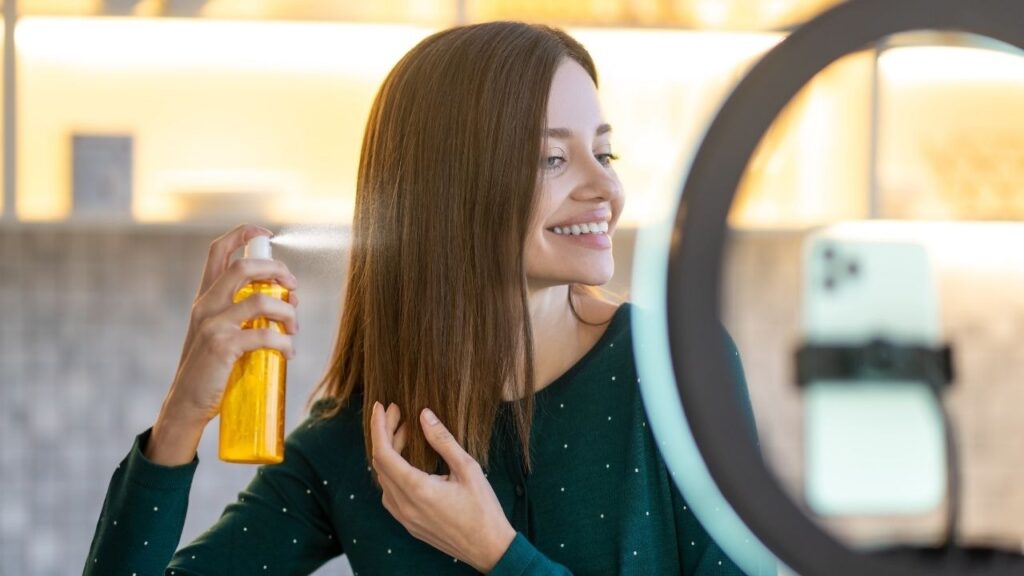
UV Protective Hair Sprays and Mists
Hair-specific UV sprays contain filters similar to those in sunscreen, absorbing or reflecting ultraviolet radiation before it reaches the cuticle. According to the Textile Research Institute (TRI Princeton), one hour of laboratory UV simulation produces damage equivalent to about 4.5 hours in direct Nevada sunlight, highlighting just how quickly unprotected hair deteriorates outdoors.
Look for sprays that list UV-absorbing ingredients such as benzophenone-4 or ethylhexyl methoxycinnamate. Reapply every two hours during extended outdoor exposure, just as you would with skin sunscreen.
Chelating and Clarifying Shampoos
Regular shampoos cannot fully remove chlorine, copper, and mineral deposits from hair. Chelating shampoos contain ingredients like EDTA or phytic acid that chemically bind to these residues and lift them away. Using one after every pool session prevents the gradual buildup that turns blonde hair green and makes all hair types feel coarse.
Essential Summer Hair Care Products
- UV protective hair mist shields strands from radiation damage and should be reapplied every two hours during prolonged outdoor activity
- Chelating or swimmer’s shampoo removes chlorine, copper, and mineral deposits that regular cleansers miss
- Protein-rich deep conditioning mask rebuilds internal hair structure weakened by UV exposure and chemical stripping
- Leave-in conditioner with heat protection provides ongoing hydration and a lightweight barrier against environmental stressors
- Silicone swim cap offers the most complete physical barrier for frequent swimmers; lightweight and snag-free
Protective Hairstyles That Reduce UV and Chemical Exposure
How you style your hair matters as much as the products you use. Certain styles minimize the total surface area exposed to sunlight and pool chemicals while preventing the mechanical damage that wet hair is especially vulnerable to.
Loose Braids and Low Buns
A single loose braid keeps strands contained without creating the tension that leads to breakage on wet, fragile hair. Low buns positioned at the nape tuck the most vulnerable ends the oldest and most porous part of each strand away from direct UV exposure. Pairing either style with a wide-brimmed hat provides an additional layer of UV defense for poolside lounging.
What to Avoid When Hair Is Wet
Tight ponytails secured with rubber elastics can snap wet strands that are already weakened by water absorption. Stylists recommend silk scrunchies or spiral hair ties that grip gently without pulling. Aggressive brushing of wet hair is another common mistake a wide-tooth comb or finger detangling is far safer and prevents unnecessary cuticle damage.
Post-Swim Hair Care Routine for Maximum Recovery
What you do in the 30 minutes after leaving the water determines whether your hair bounces back or suffers cumulative damage over the season. Immediate action stops chemical reactions before they deepen.
Rinse Immediately With Clean Water
Never let pool or ocean water dry on your hair. As water evaporates, chlorine and salt concentrate on the strand surface, intensifying their damaging effects. A thorough freshwater rinse within minutes of exiting the water flushes away the majority of harmful residues before they have time to bond with the cuticle.
Cleanse With a Swimmer’s Shampoo
Follow the rinse with a chelating or clarifying shampoo, working it from roots to ends. These formulas are designed to neutralize and remove the specific chemicals found in treated pool water. Standard shampoos leave behind the very deposits responsible for dryness, discoloration, and progressive brittleness.
Weekly Deep Conditioning Is Non-Negotiable
A protein-rich hair mask once per week rebuilds the keratin structure that UV and chlorine break down. Apply the mask to damp, freshly washed hair, cover with a shower cap to trap body heat, and leave it on for at least 20 minutes. The heat accelerates ingredient absorption and produces noticeably softer, stronger strands after the first treatment.
For swimmers who are in the pool three or more times per week, increasing deep conditioning to twice weekly can prevent the cumulative protein and lipid loss that leads to chronic dryness and split ends.
Common Mistakes That Undermine Your Hair Protection Efforts
Even well-intentioned routines fail when small but critical errors go unnoticed. Here are the habits that stylists see most frequently sabotaging summer hair health.
- Skipping rinses between consecutive swims chemical buildup compounds with each session, making later damage exponentially harder to reverse
- Using hot styling tools on already stressed hair flat irons and curling wands on UV-weakened strands accelerate protein breakdown and multiply split ends
- Brushing aggressively when hair is wet wet hair stretches up to 30 percent more than dry hair, making it far more susceptible to snapping during rough brushing
- Neglecting regular trims split ends travel upward along the shaft if left uncut, turning minor surface damage into structural weakness
- Inconsistent product use applying UV spray once a week provides almost no benefit; effective sun and swim hair protection depends entirely on daily consistency
Color-Treated Hair Requires Extra Attention
If you have colored, highlighted, or chemically processed hair, your risk profile during summer is significantly higher. Chemical treatments already compromise the cuticle layer, leaving it partially open and more vulnerable to UV radiation and chlorine penetration.
Why Dyed Hair Fades Faster in Summer
Hair dye molecules sit within the cortex, held in place by the cuticle. When UV exposure lifts those cuticle scales and chlorine strips the surrounding oils, dye molecules escape more rapidly. Red and copper tones are especially photosensitive, often losing visible vibrancy after just a few days of unprotected sun exposure.
Protective Steps for Colored Hair
Use a UV-filtering leave-in conditioner specifically formulated for color-treated hair. These products contain antioxidants that neutralize the free radicals responsible for oxidative color fade. Adding a weekly color-depositing mask can also help replenish lost pigment between salon visits.
Before any pool session, apply a generous layer of coconut oil or a dedicated swim cream to act as a physical barrier between chlorinated water and your color-treated strands. This single step can extend the life of a salon color by weeks.
Building a Complete Summer Hair Care Routine
Effective sun and swim hair protection is not about any single product or hack it is a consistent, layered routine that addresses exposure before, during, and after every outdoor session.
Before You Go Outside
Spray a UV-protective mist through dry hair from roots to ends. If you plan to swim, also wet hair with clean water and apply a protective oil. Style hair in a loose braid or low bun to minimize surface exposure.
During Outdoor Activities
Reapply UV spray every two hours. Wear a hat whenever you are not actively swimming. If you take multiple dips, rinse with clean water between each one to prevent chemical stacking.
After Returning Home
Wash with a chelating shampoo, follow with a moisturizing conditioner, and let hair air-dry whenever possible. Once a week, replace your regular conditioner with a deep protein mask. Trim every six to eight weeks to remove any accumulated damage at the ends.
Final Thoughts
Healthy summer hair comes down to three principles: prepare before exposure, protect during activity, and repair immediately after. By saturating hair with clean water, applying a penetrating oil like coconut oil, using UV-filtering sprays, and following a disciplined post-swim cleansing routine, you can enjoy every beach day and pool session without paying the price later.
Sun and swim hair protection is not complicated, but it does demand consistency. The swimmers and stylists who maintain gorgeous hair year-round are not using secret formulas they are simply doing the basics every single time, without exception. Start these habits today and your hair will thank you by September.
Does chlorine in swimming pools cause permanent hair loss?
No. A study published in the Journal of Dermatology compared 67 professional swimmers with 54 non-swimmers and found that while swimmers showed significant dryness and discoloration, they did not experience higher rates of actual hair loss. Chlorine causes surface and structural damage brittleness, roughness, and color changes but it does not destroy hair follicles or trigger pattern baldness.
How often should I deep condition my hair during summer?
Once a week is sufficient for occasional swimmers and people with moderate sun exposure. If you swim three or more times per week, increasing to twice-weekly deep conditioning helps offset the accelerated protein and lipid loss caused by repeated chemical exposure.
Can wetting my hair before swimming really make a difference?
Absolutely. Hair absorbs liquid like a sponge, and once it is saturated with clean water, it has very little remaining capacity to take in chlorinated or salty water. Dermatologists and trichologists consistently rank this as the single most effective preventive step a swimmer can take.
Which oil is best for protecting hair before swimming?
Coconut oil has the strongest research behind it. A peer-reviewed study in the Journal of Cosmetic Science found it was the only oil tested that significantly reduced protein loss in both healthy and damaged hair, thanks to its lauric acid content, which penetrates the hair shaft and bonds with keratin proteins.
Is a swim cap necessary if I already use protective products?
A silicone swim cap offers the most complete physical barrier and is strongly recommended for frequent swimmers who are in the pool more than three times a week. Products like oils and sprays reduce exposure significantly, but a cap prevents nearly all direct contact between hair and chlorinated water.
Why does my blonde hair turn green after swimming?
The green tint is caused by oxidized copper, not chlorine itself. Chlorine oxidizes dissolved copper in pool water, and the resulting copper compounds bind to porous or lightened hair. A chelating shampoo removes these metal deposits and reverses the discoloration.