Sunscreen serum for oily skin has become the go-to solution for anyone tired of greasy, pore-clogging sun protection. If your face looks like a frying pan by lunchtime every time you apply traditional SPF, you already know the frustration. According to the Skin Cancer Foundation, roughly 90 percent of non-melanoma skin cancers are linked to UV exposure so skipping sunscreen is never the answer.
The real answer is switching to a formula that actually works with your skin type instead of against it. This guide breaks down exactly what to look for, which ingredients dermatologists trust, and how to apply your SPF serum so it stays matte from morning to evening.
Table of Contents
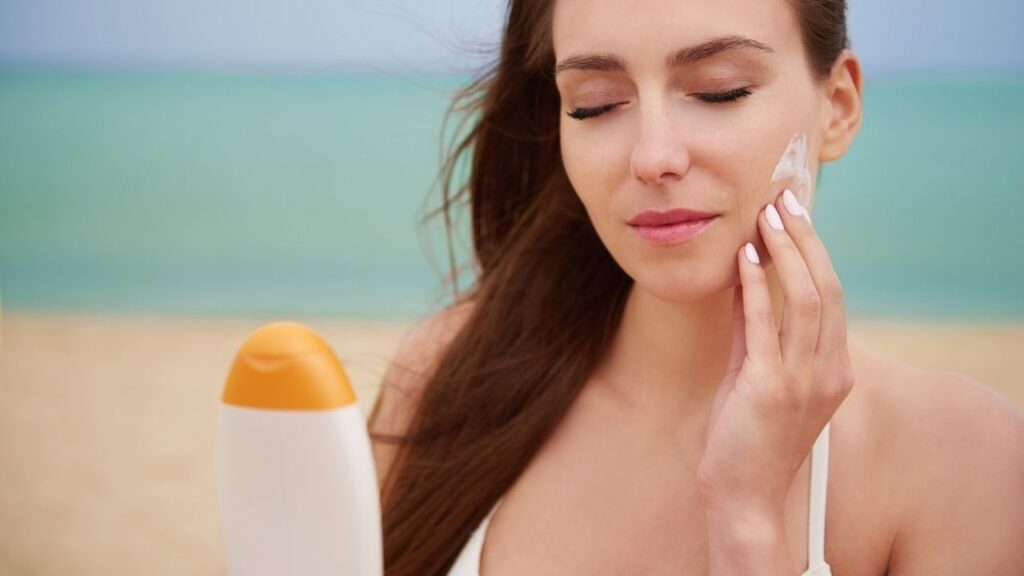
Why Traditional Sunscreens Fail Oily Complexions
Most conventional sunscreens were designed with a one-size-fits-all mindset. They rely on heavy occlusive bases like mineral oil and shea butter to form a physical barrier over your skin. That barrier traps sebum underneath, creating a breeding ground for breakouts and blackheads.
For someone who already produces excess oil, this approach is counterproductive. You end up with a shiny, congested face that feels worse than bare skin. A 2025 study published by the International Agency for Research on Cancer (IARC) found that over 80 percent of melanoma cases worldwide are caused by UV radiation which means finding a sunscreen you will actually wear daily is a genuine health priority, not just a cosmetic preference.
The Sebum Problem Most Brands Ignore
Oily skin produces more sebum than other skin types, often concentrated in the T-zone. When a thick cream sits on top of that oil layer, it disrupts the skin’s natural balance. The result is midday shine, enlarged pores, and inflammatory acne that could have been avoided with a lighter formula.
What Makes a Sunscreen Serum Different
A sunscreen serum for oily skin uses a water-based or gel-based vehicle instead of a heavy cream emulsion. This means the active UV filters are suspended in a fluid that absorbs into the skin within seconds rather than sitting on the surface for hours.
Water-Based Formula vs. Cream Consistency
Think of it this way: a cream sunscreen is like applying a coat of paint over your face, while a serum sunscreen is more like a thin layer of protective fluid that merges with your natural skin texture. Serum-format SPF products skip the thick emollients and instead use fast-evaporating carriers that leave behind only the active protection.
This difference is not just cosmetic. Board-certified dermatologist Dr. Heather Rogers notes that the best sunscreen is the one you will use consistently and lightweight textures dramatically improve daily compliance, especially for people who hate the greasy feel of traditional options.
Built-In Oil Control Technology
Modern SPF serums often include mattifying agents like silica microspheres, kaolin clay, or dimethicone crosspolymers. These ingredients absorb excess oil throughout the day without stripping your skin barrier. Some advanced formulas also incorporate niacinamide, which actively reduces sebum production at the cellular level rather than just soaking it up on the surface.
Proven Ingredients That Work for Oily and Acne-Prone Skin
Not every lightweight sunscreen is created equal. The ingredient list is where the real difference lies between a product that controls oil and one that just claims to.
Niacinamide and Sebum Regulation
Niacinamide (vitamin B3) is one of the most research-backed ingredients for oily skin. A double-blind, placebo-controlled study by Draelos et al. tested 2% topical niacinamide on 100 Japanese subjects and 30 Caucasian subjects. The niacinamide group showed a sebum excretion rate roughly double the reduction seen in the placebo group after just four weeks.
Beyond oil control, niacinamide strengthens the skin barrier, reduces redness, and minimizes pore appearance. When included in a sunscreen serum for oily skin, it pulls double duty protecting from UV damage while actively improving your complexion over time.
Zinc Oxide for Mattifying Protection
Zinc oxide is a mineral UV filter that dermatologists have trusted for decades. According to Dr. Mark Gray, a board-certified dermatologist with over 25 years of clinical experience, zinc oxide naturally mattifies oily skin and can reduce shine by approximately 30 percent based on clinical observation. It also carries anti-inflammatory properties that help calm acne-prone complexions.
Hyaluronic Acid for Hydration Without Heaviness
Oily skin still needs hydration. Dehydrated oily skin actually produces more sebum to compensate for moisture loss. Hyaluronic acid is a humectant that draws water into the skin without adding any oily residue, making it a perfect companion ingredient in lightweight SPF formulations.
Ingredients You Should Avoid
Certain ingredients that work beautifully for dry skin will sabotage oily skin types. Stay away from coconut oil, shea butter, cocoa butter, and heavy mineral oil bases. Fragrances and denatured alcohol are also red flags alcohol may temporarily mattify but ultimately damages the skin barrier, triggering rebound oil production.
How to Apply SPF Serum for Maximum Protection
Even the best formula will fail if you do not apply it correctly. The American Academy of Dermatology recommends SPF 30 or higher with broad-spectrum UVA and UVB protection, reapplied every two hours during sun exposure.
The Two-Finger Rule
Clinical guidelines suggest applying approximately 2 mg of sunscreen per square centimetre of skin. In practical terms, squeeze two full finger-lengths of product onto your index and middle fingers to cover your face and neck adequately. Most people apply only 25 to 50 percent of the recommended amount, which drastically reduces the actual SPF protection they receive.
Layering Under Makeup Without Pilling
A sunscreen serum for oily skin layers beautifully under cosmetics when you follow the right sequence. Apply your serum SPF after moisturizer (or in place of moisturizer if the formula is hydrating enough) and wait two to three minutes before touching makeup. Pat the product into your skin rather than rubbing rubbing causes friction that leads to pilling when foundation is applied on top.
Pro tip: If you use a setting powder, dust it over your SPF serum before foundation. This creates a dry barrier that helps makeup grip to the skin and further controls midday shine.
Five Common Mistakes That Ruin Your Results
Even dedicated sunscreen users often undermine their own protection. Here are the errors dermatologists see most frequently:
- Applying a thin, sheer layer that provides only a fraction of the labeled SPF value
- Skipping reapplication after two hours of outdoor exposure, sweating, or swimming
- Layering a heavy moisturizer underneath, which negates the lightweight matte finish
- Forgetting to cover the neck, ears, and hairline common sites for UV-related skin damage
- Using expired products that have lost their UV-filtering effectiveness
Each of these mistakes is easy to fix once you are aware of them, and the difference in both protection and skin clarity is noticeable within weeks.
How to Choose the Right Formula for Your Skin Type
Oily skin is not a monolith. Your ideal sunscreen serum depends on whether your oiliness comes with dehydration, acne, sensitivity, or a combination of all three.
Oily but Dehydrated Skin
If your face feels tight after cleansing yet gets shiny within an hour, your skin barrier is likely compromised. Look for a sunscreen serum for oily skin that contains hyaluronic acid or glycerin alongside mattifying agents. The goal is to replenish moisture reserves so your sebaceous glands stop overproducing oil as a defense mechanism.
Oily and Acne-Prone Skin
Breakout-prone complexions benefit from SPF serums that include salicylic acid, niacinamide, or tea tree extract. Always verify the product is labeled non-comedogenic and oil-free. Tinted mineral formulas with zinc oxide offer an extra advantage here they reduce redness, provide light coverage, and mattify in a single step.
Sensitive Oily Skin
If your oily skin also reacts to fragrance, alcohol, or chemical UV filters, opt for a mineral-only formula with zinc oxide and titanium dioxide. These physical blockers are classified as GRASE (Generally Recognized As Safe and Effective) by the FDA and are far less likely to trigger irritation or allergic reactions.
The Science-Backed Case for Daily SPF
Skipping sunscreen even on cloudy days accelerates photoaging and raises skin cancer risk. The World Health Organization reports that between 2 and 3 million non-melanoma skin cancers occur globally every year, with one in every five Americans developing skin cancer in their lifetime. UVA rays responsible for premature wrinkles, hyperpigmentation, and collagen breakdown penetrate clouds and glass, meaning indoor and overcast days are not risk-free.
Daily SPF use is the single most effective anti-aging intervention available. It outperforms retinol, vitamin C serums, and expensive treatments when measured by long-term prevention of wrinkles, dark spots, and loss of skin elasticity.
Final Takeaway
Protecting oily skin from UV damage does not require sacrificing comfort or dealing with midday grease. The right lightweight, non-comedogenic SPF serum formulated with proven ingredients like niacinamide, zinc oxide, and hyaluronic acid gives you broad-spectrum defense and oil control in one step. Start with the correct formula, apply the right amount, reapply when needed, and your skin will thank you with fewer breakouts, less shine, and healthier aging over the long term.
Can I use a sunscreen serum as my only moisturizer?
Yes, in many cases. If the formula contains hydrating ingredients like hyaluronic acid or glycerin, it can replace your morning moisturizer entirely. This works especially well for oily skin types who prefer a minimal routine. If your skin feels dry after application, layer a lightweight gel moisturizer underneath.
How often should I reapply sunscreen serum during the day?
Every two hours during direct sun exposure. If you are indoors with minimal window exposure, one morning application is generally sufficient. For reapplication over makeup, consider a cushion-format SPF or a translucent setting powder with SPF rather than disturbing your base.
Does SPF in makeup provide enough protection?
Not usually. Most people do not apply enough foundation or powder to reach the labeled SPF value. Treat makeup SPF as a bonus layer, not your primary protection. Always apply a dedicated sunscreen product underneath.
Will a sunscreen serum make my acne worse?
A properly formulated, non-comedogenic SPF serum should not worsen acne. In fact, ingredients like niacinamide and zinc oxide can actively improve breakout-prone skin. If you experience congestion, check the label for comedogenic culprits like coconut oil or isopropyl myristate.
What is the difference between chemical and mineral sunscreen serums?
Chemical filters (like avobenzone and homosalate) absorb UV rays and convert them to heat. Mineral filters (zinc oxide and titanium dioxide) sit on the skin and reflect UV radiation. For oily and sensitive skin, mineral formulas tend to be gentler, while chemical formulas usually feel lighter and leave no white cast.
Is SPF 30 enough, or should I use SPF 50?
SPF 30 blocks approximately 97 percent of UVB rays, while SPF 50 blocks about 98 percent. The difference is marginal, but SPF 50 provides a safety buffer for people who tend to under-apply. The AAD recommends at least SPF 30 with broad-spectrum labeling for daily use.