Honey hair mask benefits go far beyond basic moisturizing, offering a science-backed, dermatologist-approved path to stronger, shinier, and healthier hair. Whether you are battling dryness, frizz, breakage, or a flaky scalp, a simple honey-based treatment can address multiple concerns at once. According to a 2013 study published in the Journal of Cosmetic Dermatology, honey’s unique composition of sugars, amino acids, and antioxidants makes it one of the most effective natural humectants available for hair and skin care.
In this guide, you will learn exactly how honey works on a molecular level, which types of honey masks suit different hair types, and how to apply them for maximum results.
Table of Contents
What Is a Honey Hair Mask and Why Does It Work?
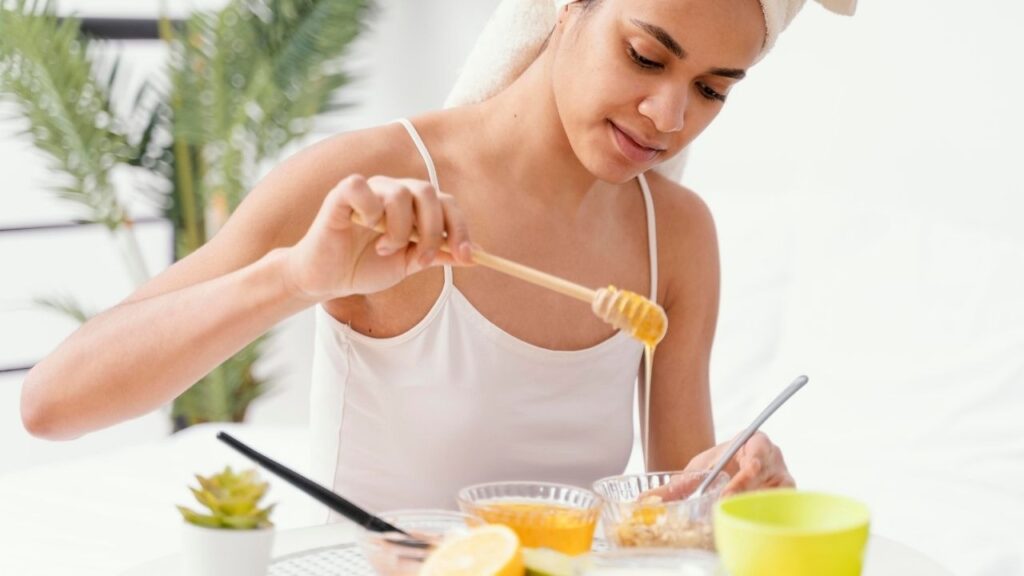
A honey hair mask is a deep-conditioning treatment made by combining raw or organic honey with complementary natural ingredients like coconut oil, yogurt, olive oil, or aloe vera. These masks are applied to damp hair, left on for 20 to 30 minutes, and then rinsed out to deliver intense hydration and repair.
The reason honey is so effective comes down to its molecular structure. Honey is a natural humectant, meaning it attracts and locks in moisture from the surrounding environment. The National Honey Board confirms that honey contains over 200 bioactive compounds, including vitamins B and C, iron, zinc, and powerful antioxidants like flavonoids. These nutrients penetrate the hair cuticle, repair micro-damage, and restore elasticity from the inside out.
Ancient Egyptians and Greeks used honey in their beauty rituals thousands of years ago. Modern trichologists and dermatologists continue to recommend it today, which speaks to its proven track record.
7 Proven Honey Hair Mask Benefits for Every Hair Type
Deep Moisturization and Frizz Control
Honey draws water molecules into each hair strand and seals them inside the cuticle layer. This process dramatically reduces frizz, improves manageability, and leaves hair feeling soft rather than straw-like. A practical tip: if you live in a humid climate, honey masks work even better because the humectant effect pulls additional atmospheric moisture into your hair.
Strengthening Weak, Brittle Strands
Heat styling, chemical coloring, and environmental pollution weaken hair proteins over time. Honey delivers essential amino acids and minerals directly to damaged areas, reinforcing the keratin structure. Research from the International Journal of Trichology suggests that natural emollients like honey can reduce hair breakage by up to 18% with consistent weekly use over two months.
Restoring Natural Shine and Smoothness
Dull hair often results from raised, rough cuticles that scatter light instead of reflecting it. Honey smooths the cuticle layer, creating a flat, reflective surface that gives hair a visible, healthy glow. You can notice a difference even after a single application, though consistent use delivers the most lasting results.
Improving Scalp Health
Honey has well-documented antibacterial and antifungal properties. A 2001 study in the European Journal of Medical Research found that crude honey applied topically significantly reduced scaling, itching, and hair loss associated with seborrheic dermatitis and dandruff. If you struggle with a dry, irritated, or flaky scalp, honey masks address the root cause rather than just masking symptoms.
Supporting Healthy Hair Growth
A nourished, well-circulated scalp creates the ideal environment for new hair growth. Honey’s antioxidants fight oxidative stress at the follicle level, while its nutrients feed the dermal papilla cells responsible for hair production. While honey alone will not reverse genetic hair loss, it can optimize conditions for stronger, thicker new growth.
Reducing Split Ends and Breakage
Split ends happen when the protective cuticle wears away at the hair tip. Honey acts as a sealant, coating vulnerable ends and preventing further splitting. Combining honey with a heavier oil like castor oil or argan oil amplifies this protective effect, especially for coarse or curly hair textures.
Balancing Scalp Oil Production
Surprisingly, honey works for oily hair too. When mixed with a small amount of lemon juice or apple cider vinegar, it gently clarifies excess sebum without stripping natural oils. This balance prevents the rebound oiliness that harsh shampoos often trigger.
DIY Honey Hair Mask Recipes for Specific Hair Concerns
Different hair types need different formulations. Here are four targeted recipes based on your primary concern.
For Dry, Dehydrated Hair
Mix two tablespoons of raw honey with one tablespoon of extra virgin coconut oil and half a mashed avocado. Apply from mid-length to ends, leave for 30 minutes under a shower cap, and rinse with lukewarm water. The healthy fats from avocado and coconut oil boost honey’s moisturizing power significantly.
For Oily or Greasy Hair
Combine two tablespoons of honey with the juice of half a lemon and one tablespoon of plain Greek yogurt. This blend gently removes buildup while balancing sebum. Leave it on for 15 to 20 minutes and rinse thoroughly.
For Color-Treated or Chemically Damaged Hair
Blend two tablespoons of honey with one tablespoon of olive oil and two tablespoons of aloe vera gel. This combination repairs chemical damage, restores pH balance, and prevents color fading. Use once a week for best results.
For Thinning Hair or Slow Growth
Mix two tablespoons of honey with one tablespoon of castor oil and three drops of rosemary essential oil. A 2015 study in SKINmed Journal found that rosemary oil performed comparably to 2% minoxidil for stimulating hair growth, making this combination especially powerful.
How to Apply a Honey Hair Mask for Maximum Results
Getting the technique right matters as much as the recipe itself. Start with clean, damp hair so the cuticles are slightly open and ready to absorb nutrients. Section your hair into four parts and apply the mask evenly from roots to tips using a wide-tooth comb to distribute the product.
Cover your hair with a shower cap or warm towel. The gentle heat opens the cuticle further and improves penetration. Leave the mask on for 20 to 30 minutes. Rinse with lukewarm or cool water only, as hot water strips away the beneficial oils and undoes much of the treatment.
Shampoo once lightly if needed, but skip conditioner since the mask has already provided deep conditioning. For best long-term results, use your honey mask one to two times per week consistently for at least six to eight weeks.
Expert Tips to Maximize Honey Hair Mask Benefits
- Always choose raw, unprocessed, organic honey. Commercial processed honey has been heated and filtered, which destroys many of the enzymes and antioxidants that make it effective for hair care.
- Do a patch test behind your ear 24 hours before your first full application, especially if you have known pollen allergies.
- Never apply honey masks to completely dry hair, as dampness is essential for proper absorption.
- Avoid using hot water for rinsing because it opens the cuticle too much and causes the honey’s moisture to escape.
- Alternate your honey mask recipes every few weeks to address multiple hair concerns without causing ingredient buildup.
Potential Side Effects and Precautions
Honey hair masks are safe for the vast majority of people, but there are a few things to keep in mind. People with severe pollen or bee product allergies should avoid honey entirely or consult an allergist first. Fine or thin hair can feel weighed down if too much honey is applied, so start with smaller amounts and adjust.
Sticky residue is the most common complaint, but it is easily solved by rinsing thoroughly and using a gentle sulfate-free shampoo. Overusing any deep conditioning treatment, including honey masks, can lead to protein-moisture imbalance, so stick to one or two applications per week.
Honey Hair Mask Benefits vs. Store-Bought Conditioners: Which Is Better?
Store-bought deep conditioners often contain silicones, parabens, and synthetic fragrances that coat hair temporarily but do not actually repair it. Honey, by contrast, penetrates the cuticle and delivers real nourishment at a cellular level.
A 2019 consumer survey by Statista found that 64% of women aged 18 to 34 preferred natural or organic hair care products over synthetic alternatives. Cost is another advantage. A jar of raw organic honey costs roughly five to eight dollars and lasts for multiple treatments, while a single bottle of premium deep conditioner can cost twenty dollars or more.
That said, store-bought products are more convenient and formulated for specific concerns like keratin repair or color protection. The ideal approach is to use honey masks as a weekly foundation and supplement with targeted commercial products when needed.
How often should I use a honey hair mask?
Most dermatologists and trichologists recommend applying a honey hair mask once or twice per week. Using it more frequently can lead to moisture overload, especially for fine hair. Consistency over time matters more than frequency.
Can I leave a honey hair mask on overnight?
It is generally safe to leave honey on your hair overnight if you wrap it in a shower cap and protect your pillow. However, 20 to 30 minutes is usually sufficient for full absorption. Overnight application offers diminishing returns rather than dramatically better results.
Does honey lighten hair color?
Honey contains trace amounts of naturally occurring hydrogen peroxide, which can subtly lighten hair over time with repeated use. The effect is very gradual and most noticeable on lighter hair shades. If you want to preserve your exact color, limit usage to once per week.
Is honey safe for all hair types?
Yes, honey is generally safe and beneficial for straight, wavy, curly, and coily hair textures. The key is adjusting your recipe. Fine hair benefits from lighter combinations with yogurt or aloe, while thick or coarse hair responds well to heavier blends with coconut oil or castor oil.
Can I use regular store-bought honey instead of raw honey?
You can, but raw organic honey is significantly more effective. Commercial honey is often pasteurized, which destroys the enzymes, antioxidants, and beneficial compounds responsible for most of honey’s hair care benefits. Manuka honey is another excellent option due to its higher concentration of bioactive compounds.
What ingredients pair best with honey for hair masks?
The most effective pairings include coconut oil for deep moisture, yogurt for protein and gentle cleansing, aloe vera for scalp soothing, castor oil for growth stimulation, olive oil for damage repair, and egg yolk for added strength and shine.