A self care shower routine is one of the simplest yet most powerful daily rituals you can adopt for both your body and mind. Most people rush through their showers without realizing that a few intentional tweaks can turn those 10 to 15 minutes into a genuine wellness experience.
Research increasingly supports this idea. A 2025 systematic review published in PLOS ONE, analyzing 11 studies and over 3,100 participants, found that regular cold-water exposure may help reduce stress levels, improve sleep, and increase quality of life. If a simple temperature change can do that, imagine what a fully structured shower routine could achieve.
This guide walks you through evidence-based techniques covering aromatherapy, exfoliation, temperature therapy, hydration, and mindfulness to help you build a self care shower routine that genuinely works.
Table of Contents

What Exactly Is a Self Care Shower Routine?
A self care shower routine goes far beyond basic hygiene. It is a deliberate practice that weaves together cleansing, skincare, stress relief, and mindful awareness into a single daily ritual.
The concept is not new. Ancient Romans built elaborate bathhouses centered on wellness, and Japanese onsen culture has long treated bathing as a meditative experience. Modern shower routines simply adapt these age-old principles using current skincare science and mental health research.
The key difference between an ordinary shower and a self care shower routine is intention. When you consciously select water temperature, products, and breathing techniques, your shower transforms from a chore into a restorative practice.
Why Your Shower Routine Matters More Than You Think
Physical Benefits
Your skin is your largest organ, and how you treat it during a shower directly affects its health. Using the right water temperature opens pores for deeper cleansing, while proper moisturizing afterward prevents transepidermal water loss, a leading cause of dry and irritated skin.
A 2025 review in the scientific literature confirmed that regular cold exposure may yield positive physiological and psychological outcomes, including effects mediated through both shivering and non-shivering thermogenesis. This means your shower temperature alone can influence circulation, metabolism, and muscle recovery.
Mental and Emotional Benefits
Showers offer a rare pocket of solitude in a busy day. The 2025 PLOS ONE meta-analysis found a significant reduction in stress 12 hours after cold-water immersion, with improvements also observed in sleep quality and overall quality of life.
Mindful showering, where you focus on the sensation of water, your breathing, and the scent of products, activates the parasympathetic nervous system. This is the same “rest and digest” response triggered by meditation, and it helps lower cortisol and ease anxiety.
Step-by-Step Self Care Shower Routine
Step 1: Set the Mood Before You Step In
Preparation matters. Dim the lights or use a warm-toned lamp in your bathroom. Hang a eucalyptus bundle from your showerhead; the steam releases natural essential oils that clear sinuses and promote relaxation.
Have your products laid out in order: cleanser, exfoliant, shampoo, conditioner, and body wash. Removing the need to search mid-shower keeps you present and focused.
Step 2: Start With Warm Water (Not Hot)
Begin with water around 38 to 40 degrees Celsius (100 to 104 degrees Fahrenheit). This range opens pores, relaxes tight muscles, and prepares the skin for cleansing without stripping essential moisture.
Extremely hot water damages the skin’s lipid barrier, leading to dryness and irritation. Dermatologists at the American Academy of Dermatology consistently recommend lukewarm water for maintaining healthy skin.
Step 3: Cleanse From Top to Bottom
Always work from your head down. Start with shampoo and conditioner, allowing the conditioner to sit while you cleanse your face and body. This saves time and maximizes product absorption.
Use a sulfate-free body wash if you have sensitive or dry skin. Sulfates are effective cleansers but can strip the skin’s natural oils, particularly during colder months when skin is already prone to dehydration.
Step 4: Exfoliate Strategically
Exfoliation removes dead skin cells, boosts cell turnover, and helps skincare products penetrate deeper. However, over-exfoliating causes micro-tears and inflammation.
Limit physical exfoliation with scrubs or brushes to two or three times per week. For chemical exfoliation, products containing glycolic acid or salicylic acid can be used more frequently depending on your skin type. If you notice redness or stinging, reduce the frequency immediately.
Step 5: Incorporate Aromatherapy
Essential oils have measurable effects on mood and stress. Lavender is widely studied for its calming properties, while peppermint and eucalyptus are energizing and can improve mental alertness.
You can add two or three drops of essential oil to a washcloth placed on the shower floor, use a shower steamer tablet, or simply choose body washes infused with natural aromatics. Avoid applying undiluted essential oils directly to skin, as they can cause irritation or allergic reactions.
Step 6: Finish With a Cold Rinse
This is the step most people skip, but the science is hard to ignore. A large 2016 trial found that people who ended their showers with 30 to 90 seconds of cold water called off work 29 percent less often than those who showered normally.
A cold rinse constricts blood vessels, reduces puffiness, and seals the hair cuticle for added shine. Start with just 15 seconds and gradually build tolerance over a few weeks.
Post-Shower Care That Completes the Routine
Your self care shower routine does not end when you turn off the water. What you do in the three minutes after stepping out determines how much moisture your skin retains.
Pat your skin gently with a towel instead of rubbing. Apply a rich body lotion or oil while skin is still slightly damp to lock in hydration. Products containing hyaluronic acid, ceramides, or shea butter are excellent choices for long-lasting moisture.
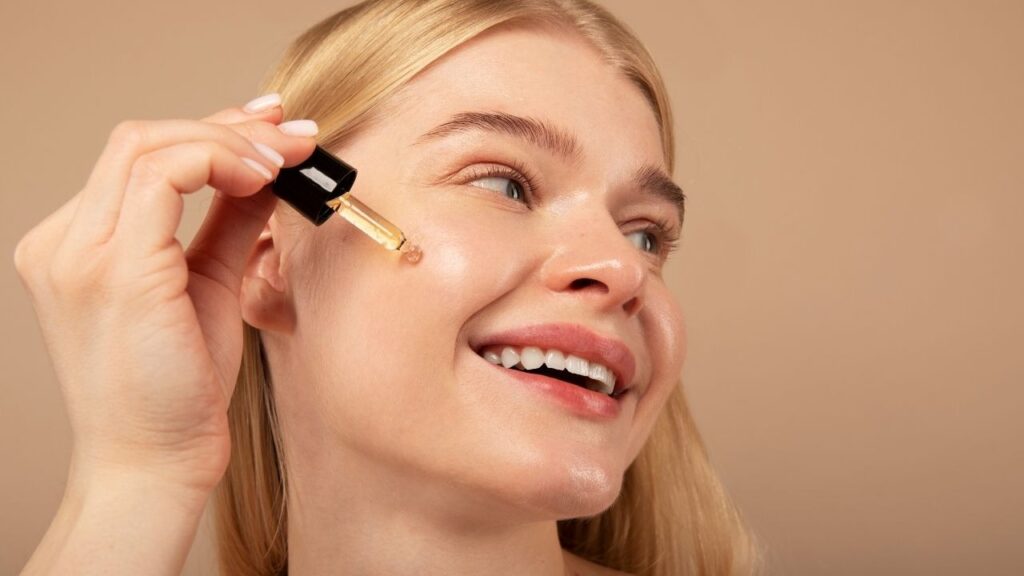
For your face, follow up with a hydrating serum and SPF moisturizer if it is morning, or a nourishing night cream if it is evening. Consistency in post-shower care is what creates visible improvements in skin texture and tone over time.
How to Add Mindfulness to Your Shower
Mindfulness in the shower is simpler than formal meditation. It means focusing your attention on what you are experiencing right now, rather than mentally drafting your to-do list.
Try this approach: as the water hits your body, take five slow, deep breaths. Notice the temperature on your skin, the sound of the water, and the scent of your products. When your mind wanders, gently bring it back to these physical sensations.
Over time, this practice builds a stronger mind-body connection. People who regularly practice shower mindfulness often report feeling calmer, more focused, and less reactive to daily stressors, similar to the effects seen in dedicated mindfulness-based stress reduction programs.
Common Mistakes That Sabotage Your Self Care Shower Routine
Even well-intentioned routines can go wrong. Here are the most frequent pitfalls and how to avoid them:
- Showering with water that is too hot, which damages the skin barrier and worsens conditions like eczema and rosacea
- Spending more than 15 minutes in the shower, which leads to excessive moisture loss from the skin
- Using harsh, heavily fragranced soaps that disrupt the skin’s natural pH balance
- Skipping moisturizer after the shower, allowing transepidermal water loss to undo all your cleansing efforts
- Exfoliating daily, which causes irritation, redness, and increased sensitivity over time
Best Products for a Self Care Shower Routine
Choosing the right products does not mean buying the most expensive options. What matters is matching products to your skin type and goals.
| Product Type | Best For | Key Ingredients to Look For |
| Gentle Body Wash | Sensitive or dry skin | Ceramides, glycerin, oat extract |
| Exfoliating Scrub | Dull or rough skin | Sugar, pumice, lactic acid |
| Shower Steamer | Stress relief and congestion | Eucalyptus, menthol, lavender oil |
| Deep Conditioner | Dry or damaged hair | Argan oil, keratin, shea butter |
| Body Oil | Intense hydration | Jojoba, sweet almond, vitamin E |
Always patch-test new products before incorporating them into your full routine, especially if you have reactive or allergy-prone skin.
How Often Should You Follow This Routine?
You do not need to complete every step every day. A realistic approach works better than an ambitious one you abandon after a week.
Daily showers should include cleansing, warm-to-cool temperature therapy, and post-shower moisturizing. Exfoliation fits best two to three times per week. Aromatherapy and extended mindfulness sessions can be reserved for weekends or high-stress days when you need an extra reset.
The most effective self care shower routine is one you actually stick with. Start simple and build gradually as the habit takes root.
Final Thoughts
A self care shower routine is one of the most accessible wellness practices available. It requires no gym membership, no special equipment, and no extra time in your day. It simply asks you to be more intentional about something you already do.
By incorporating proper water temperature, gentle cleansing, regular exfoliation, aromatherapy, a cold rinse, and post-shower hydration, you create a daily ritual that supports your skin, calms your mind, and builds resilience against stress. Start with one or two changes this week, and let the routine grow naturally from there.
How long should a self care shower routine take?
An effective routine takes between 10 and 15 minutes. This allows enough time for proper cleansing, a brief exfoliation, aromatherapy, and a cold rinse without over-drying your skin.
Is a cold shower really necessary at the end?
It is not mandatory, but the evidence is compelling. Harvard Health reported that a 2025 analysis found cold-water exposure may reduce stress, improve sleep quality, and boost overall quality of life. Even 15 to 30 seconds of cooler water offers benefits.
Can a shower routine actually reduce stress?
Yes. Combining warm water relaxation, aromatherapy, and mindful breathing activates your parasympathetic nervous system, which lowers cortisol levels. Research from the University of South Australia confirmed measurable stress reduction 12 hours after cold-water exposure.
What is the best water temperature for skin health?
Dermatologists recommend lukewarm water between 37 and 40 degrees Celsius. Water hotter than this strips the skin’s natural oils and weakens its protective barrier, especially for people with eczema, psoriasis, or generally dry skin.
Should I shower in the morning or at night for self care?
Both have benefits. Morning showers with a cold rinse boost alertness and circulation. Evening showers with warm water and lavender aromatherapy promote relaxation and better sleep. Choose whichever aligns with your personal wellness goals.
Can men benefit from a self care shower routine?
Absolutely. Skin health, stress management, and mental clarity are not gender-specific. Interestingly, the 2025 PLOS ONE review noted that men specifically reported improved sleep quality after cold-water immersion.