A good homemade face scrub for glowing skin can transform your complexion using simple ingredients you probably already have in your kitchen. If you have been spending money on expensive exfoliating products loaded with synthetic chemicals, it is time to explore a safer, more affordable alternative that delivers real results.
Table of Contents
Exfoliation is one of the most important steps in any skincare routine. It removes the layer of dead cells sitting on your skin’s surface, unclogs pores, and allows fresh skin to come through. According to the American Academy of Dermatology, regular exfoliation can leave skin looking brighter while also improving the absorption of other skincare products you apply afterward.
The natural skincare movement is not just a passing trend. According to a report by Fact.MR, the global natural skincare products market was valued at USD 8.5 billion in 2025 and is expected to reach USD 16 billion by 2035, growing at a CAGR of 6.5%. This surge reflects a massive consumer shift toward plant based, chemical free beauty solutions.
In this guide, you will find seven proven DIY face scrub recipes, understand the science behind exfoliation, learn which ingredients work best for your skin type, and pick up practical tips to get a radiant complexion without ever leaving your home.
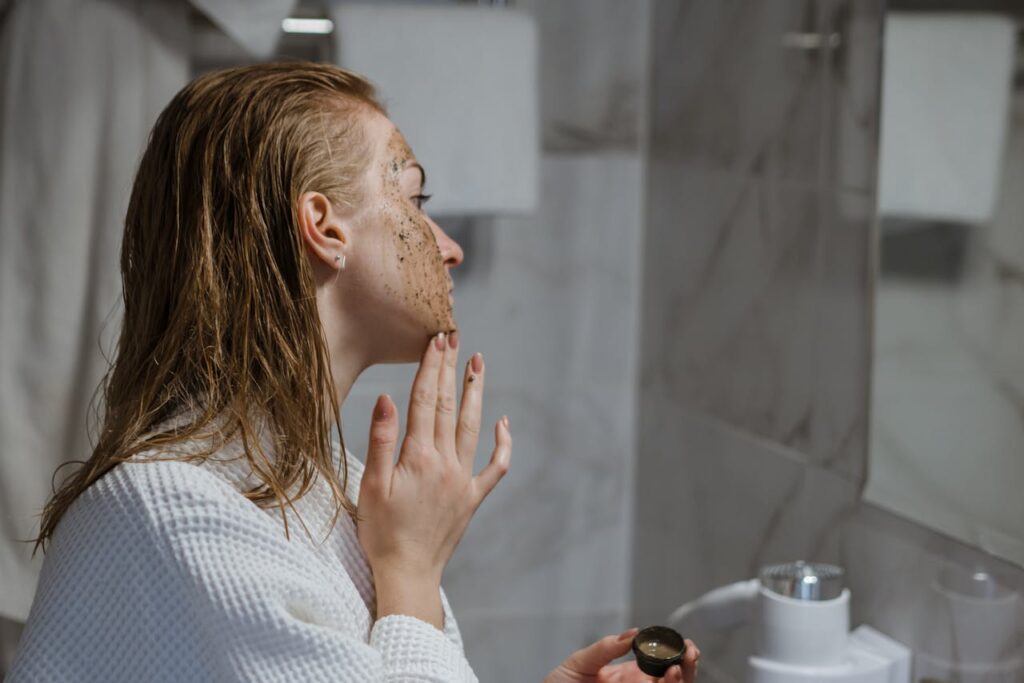
Why Exfoliation Is Essential for Radiant Skin
Exfoliation is the process of removing dead skin cells from the outermost layer of your skin. Without regular exfoliation, these dead cells accumulate, making your complexion look dull, rough, and uneven.
Research published in the journal Clinical, Cosmetic, and Investigational Dermatology found that consistent exfoliation can help boost collagen production significantly over time. Collagen is the structural protein responsible for keeping skin firm, elastic, and youthful. As noted by Healthline, long term exfoliation supports collagen synthesis, which is key to vibrant and healthy looking skin.
Beyond collagen, exfoliation also improves blood circulation to the skin’s surface. This increased blood flow carries oxygen and essential nutrients to skin cells, giving you that natural, healthy glow from within.
Key Benefits of Regular Exfoliation
- Removes dead skin cells and reveals smoother, fresher skin underneath
- Unclogs pores and reduces the frequency of breakouts
- Improves skin texture and evens out skin tone
- Boosts absorption of serums, moisturizers, and other skincare products
- Stimulates cell turnover so your skin renews itself more efficiently
What Makes a Homemade Face Scrub Better Than Store Bought Products?
A homemade face scrub for glowing skin offers several advantages over commercial products. First, you control every single ingredient that touches your face. There are no hidden parabens, sulfates, artificial fragrances, or microplastics.
Second, DIY scrubs are incredibly cost effective. Most recipes use pantry staples like sugar, honey, oatmeal, and coffee, which means you can create a luxurious skincare treatment for a fraction of the price of branded exfoliators.
Third, freshness matters. When you make a scrub at home, you use ingredients at their peak potency. Store bought products often sit on shelves for months, and their active ingredients may degrade over time.
According to Global Market Insights, the global natural cosmetics market reached an estimated USD 41.3 billion in 2025 and is projected to grow to USD 70.8 billion by 2035. This clearly shows that consumers worldwide are prioritizing clean, natural beauty solutions, and homemade scrubs are the most accessible entry point into that lifestyle.
How to Choose the Right Ingredients for Your Skin Type
Not every ingredient works well for every skin type. Choosing the wrong exfoliant can cause irritation, dryness, or even breakouts. Here is a quick guide to help you match ingredients to your specific needs.
| Skin Type | Best Ingredients | Ingredients to Avoid |
| Oily | Coffee grounds, lemon, brown sugar | Heavy oils like coconut oil |
| Dry | Honey, avocado, oatmeal | Salt, baking soda |
| Sensitive | Oatmeal, yogurt, aloe vera | Citrus, walnut shell |
| Combination | Sugar, banana, green tea | Anything overly abrasive |
| Acne Prone | Turmeric, honey, rice flour | Coarse scrubs, nut shells |
As a general rule, always opt for finely ground exfoliants for facial skin. The skin on your face is thinner and more delicate than the rest of your body, so coarse particles can cause micro tears and irritation.
7 Best Homemade Face Scrub Recipes for Every Skin Type
Below are seven tried and tested recipes using natural ingredients. Each one targets specific skin concerns and delivers visible results when used consistently.
Recipe 1: Honey and Oatmeal Scrub (Best for Sensitive Skin)
This gentle scrub is perfect if your skin reacts to most products. Oatmeal acts as a mild physical exfoliant while also calming inflammation. Honey is a natural humectant, meaning it draws moisture into the skin and locks it in.
Ingredients:
- 2 tablespoons finely ground oats
- 1 tablespoon raw honey
- 1 teaspoon almond oil
How to Use: Mix all ingredients into a smooth paste. Apply to damp skin using gentle circular motions for about 60 seconds. Rinse with lukewarm water and pat dry. Use this scrub twice a week for best results.
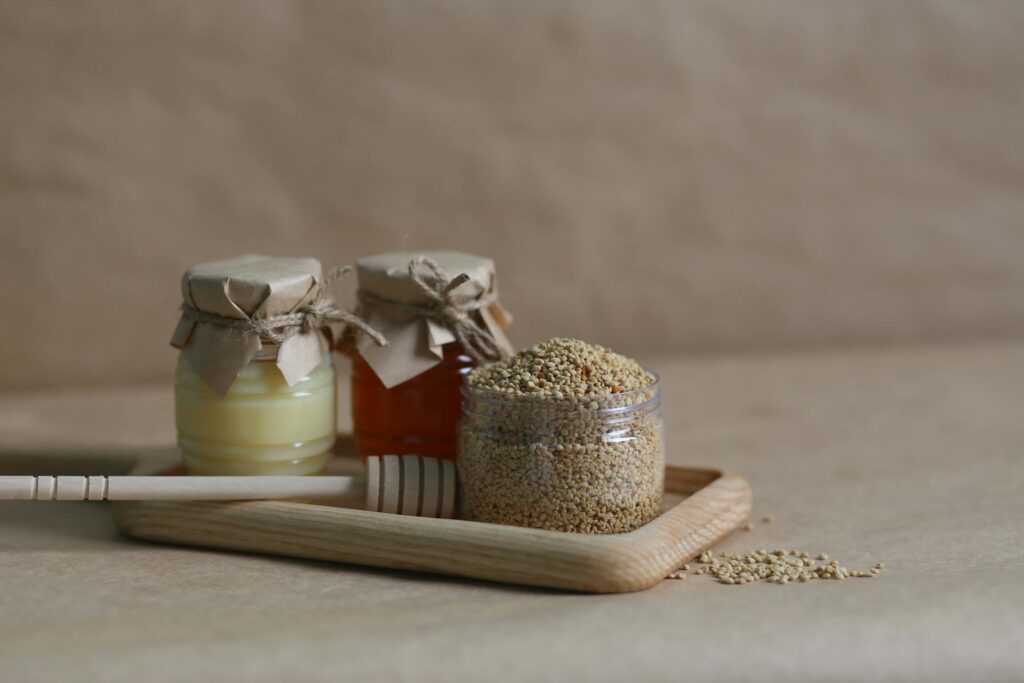
Recipe 2: Coffee and Coconut Oil Scrub (Best for Dull Skin)
Coffee is a powerhouse ingredient for anyone wanting a natural face scrub for brighter skin. The caffeine in coffee grounds stimulates blood flow, reduces puffiness, and delivers antioxidants directly to the skin’s surface. According to Healthline, coffee’s natural exfoliating and anti inflammatory properties can improve overall skin health.
Ingredients:
- 2 tablespoons finely ground coffee
- 1 tablespoon coconut oil (use jojoba oil for oily skin)
- 1 teaspoon brown sugar
How to Use: Combine all ingredients thoroughly. Massage gently onto your face, focusing on areas that look tired or dull. Leave it on for two to three minutes, then rinse off. The caffeine will give your skin an instant pick me up.
Recipe 3: Turmeric and Yogurt Scrub (Best for Uneven Skin Tone)
Turmeric contains curcumin, a compound with powerful anti inflammatory and antioxidant properties. Paired with yogurt, which contains natural lactic acid, this scrub gently brightens the skin while evening out discoloration.
Ingredients:
- 1 teaspoon turmeric powder
- 2 tablespoons plain yogurt
- 1 tablespoon chickpea flour (besan)
How to Use: Mix into a thick paste. Apply evenly across your face, avoiding the eye area. Let it sit for five minutes, then scrub gently and rinse. Note that turmeric can temporarily stain light skin, so start with a small amount if you are new to this ingredient.
Recipe 4: Brown Sugar and Lemon Scrub (Best for Oily Skin)
Brown sugar provides gentle yet effective exfoliation because its round granules are less likely to cause micro tears compared to salt. Lemon juice contains vitamin C and citric acid, which help brighten the skin and reduce excess oil.
Ingredients:
- 2 tablespoons brown sugar
- 1 tablespoon fresh lemon juice
- 1 tablespoon honey
How to Use: Stir together until the sugar is evenly coated. Apply to your face with light pressure, scrubbing in circular motions for 30 to 60 seconds. Rinse thoroughly and follow with a light moisturizer. Avoid sun exposure immediately after using lemon on your skin, as citrus can increase photosensitivity.
The Science Behind Natural Exfoliation
Understanding why these kitchen ingredients work so well requires a quick look at the science of skin renewal. Your skin naturally sheds dead cells through a process called desquamation. In younger skin, this cycle takes approximately 28 days. However, after the age of 30, this process can slow down to 45 or even 60 days, according to skincare experts.
When dead cells linger on the surface for too long, they create a barrier that makes skin look flat and lifeless. A homemade face scrub for glowing skin speeds up the removal of these cells, essentially resetting your skin’s renewal clock.
Physical exfoliants like sugar, oatmeal, and coffee grounds work by manually buffing away dead cells through friction. Chemical exfoliants, such as the lactic acid found naturally in yogurt or the citric acid in lemon juice, dissolve the bonds holding dead cells together without any scrubbing required. Many of the recipes listed above combine both methods for maximum effectiveness.
More DIY Scrub Recipes to Complete Your Routine
Recipe 5: Avocado and Walnut Scrub (Best for Dry Skin)
Avocado is rich in healthy fats, vitamins E and C, and potassium, making it a deeply nourishing base for any facial scrub. Finely ground walnuts add mild exfoliation without being too harsh.
Ingredients:
- Half a ripe avocado, mashed
- 1 tablespoon finely ground walnuts
- 1 teaspoon olive oil
How to Use: Blend into a creamy mixture. Spread across your face and neck, massaging gently for one to two minutes. Let the avocado sit on your skin for an extra three minutes to allow the nutrients to absorb. Rinse with warm water.
Recipe 6: Rice Flour and Green Tea Scrub (Best for Aging Skin)
Rice flour has been used in East Asian skincare traditions for centuries. It polishes the skin gently while helping to reduce the appearance of dark spots and fine lines. Green tea adds a potent dose of antioxidants that protect against environmental damage.
Ingredients:
- 2 tablespoons rice flour
- 2 tablespoons brewed green tea (cooled)
- 1 teaspoon honey
How to Use: Mix until you get a smooth paste. Apply to your face in upward strokes, spending about 60 seconds on each area. Rinse and follow with your favorite serum or moisturizer.
Recipe 7: Banana and Baking Soda Scrub (Best for Combination Skin)
Bananas contain potassium, vitamin C, and traces of vitamin A. They also contain silica, a mineral element that can help support collagen production, as noted by Healthline. Baking soda, used sparingly, provides a fine exfoliating texture that works well on combination skin.
Ingredients:
- 1 ripe banana, mashed
- 1 teaspoon baking soda
- 1 teaspoon honey
How to Use: Combine all ingredients and apply to your face. Scrub gently for 30 to 45 seconds, then rinse clean. Do not use this scrub more than once a week, as baking soda can disrupt your skin’s pH balance if overused.
How Often Should You Use a Face Scrub?
Over exfoliation is one of the most common skincare mistakes. Scrubbing your face daily can strip away essential oils, damage your skin barrier, and lead to redness, irritation, and even breakouts.
Here are general guidelines based on skin type:
- Oily skin: Two to three times per week
- Normal or combination skin: Twice per week
- Dry skin: Once or twice per week
- Sensitive skin: Once per week or every 10 days
Always listen to your skin. If it feels tight, red, or irritated after exfoliating, reduce the frequency. And always do a patch test before trying any new homemade face scrub for glowing skin. Apply a small amount to the inside of your elbow or behind your ear, wait 24 hours, and check for any adverse reactions.
Tips to Maximize Results from Your DIY Face Scrub
Getting the best outcome from your scrub goes beyond just the recipe itself. Here are practical tips that make a noticeable difference:
- Always start with a clean face. Remove makeup and wash your face with a gentle cleanser before scrubbing.
- Use lukewarm water. Hot water strips natural oils, and cold water does not open pores effectively.
- Be gentle. Apply light pressure and let the ingredients do the work. Scrubbing too hard damages delicate facial tissue.
- Moisturize immediately after. Your skin is most receptive to hydration right after exfoliation, so apply a moisturizer within a minute of rinsing.
- Apply sunscreen. Freshly exfoliated skin is more vulnerable to UV damage. According to the Skin Cancer Foundation, broad spectrum sunscreen with at least SPF 30 should be applied daily, especially after exfoliation.
- Store leftovers properly. Keep unused scrub in an airtight container in the refrigerator. Most homemade scrubs last three to five days when stored correctly.
Common Mistakes to Avoid When Making Face Scrubs at Home
Even with the best intentions, certain errors can reduce the effectiveness of your scrub or even harm your skin.
Using overly coarse ingredients. Crushed nut shells, large salt crystals, and unground coffee beans are too abrasive for facial skin. Always grind ingredients finely before applying them to your face.
Adding too much citrus. Lemon and lime juice can brighten skin, but undiluted citrus can cause chemical burns and photosensitivity. Always mix citrus with a soothing base like honey or yogurt.
Skipping the patch test. Allergic reactions can occur even with natural ingredients. A simple patch test saves you from a full face breakout or rash.
Exfoliating over active breakouts. Scrubbing inflamed or broken skin spreads bacteria and worsens acne. Wait until active pimples have calmed down before exfoliating those areas.
Building a Complete Natural Skincare Routine Around Your Scrub
A homemade face scrub for glowing skin works best as part of a complete, consistent skincare routine. Here is a simple framework you can follow:
- Cleanse with a gentle, natural cleanser (morning and night)
- Exfoliate with your DIY scrub (one to three times per week)
- Tone with rose water or diluted apple cider vinegar
- Moisturize with aloe vera gel, jojoba oil, or shea butter
- Protect with SPF 30+ sunscreen every morning
Consistency is more important than perfection. Even using a simple two step routine of cleansing and exfoliating can produce visible improvements within two to three weeks.
Conclusion
Achieving radiant, healthy skin does not require expensive products or complicated routines. A well made homemade face scrub for glowing skin, created from natural kitchen ingredients, can deliver results that rival many commercial exfoliators. The key lies in choosing the right ingredients for your skin type, exfoliating at the right frequency, and supporting your scrub with a consistent skincare routine.
Whether you prefer the soothing calm of an oatmeal and honey scrub or the energizing kick of a coffee based exfoliator, the recipes shared in this article give you plenty of options to experiment with. Start with one recipe this week, pay attention to how your skin responds, and adjust from there.
Your best skin is waiting. Try one of these DIY scrub recipes today and share your experience in the comments below. If you found this guide helpful, pass it along to a friend who could use a natural skincare boost.
What is the best homemade scrub for instant glow?
A coffee and coconut oil scrub is one of the fastest ways to achieve visible brightness. The caffeine increases blood flow to the skin’s surface, while coconut oil provides deep hydration. Most people notice an immediate improvement in skin texture and radiance after just one use.
Can I use a homemade face scrub every day?
Dermatologists generally recommend against daily exfoliation, as it can damage the skin’s protective barrier and cause irritation. For most skin types, using a facial scrub two to three times per week is sufficient. Those with sensitive skin should limit exfoliation to once a week.
Are DIY face scrubs safe for acne prone skin?
Yes, but you need to choose your ingredients carefully. Honey, turmeric, and rice flour are gentle options that provide antibacterial benefits without aggravating acne. Avoid coarse scrubs and harsh ingredients like baking soda or salt on inflamed skin.
How long does it take to see results from natural face scrubs?
Most people begin noticing smoother texture and improved brightness within two to three weeks of consistent use. Deeper concerns like dark spots or fine lines may take six to eight weeks of regular exfoliation, combined with proper moisturizing and sun protection.
Can I store homemade face scrubs for later use?
Yes, most scrubs can be stored in an airtight glass container in the refrigerator for three to five days. Scrubs containing fresh fruit, yogurt, or egg should be used within 24 to 48 hours to prevent bacterial growth. Always check for changes in smell or texture before reapplying a stored scrub.
Is sugar or salt better for a face scrub?
Sugar is generally the better choice for facial skin because its granules dissolve more easily and have smoother edges compared to salt. Salt can be overly abrasive on delicate facial tissue and may sting if you have any small cuts or active breakouts. Reserve salt scrubs for body exfoliation instead.