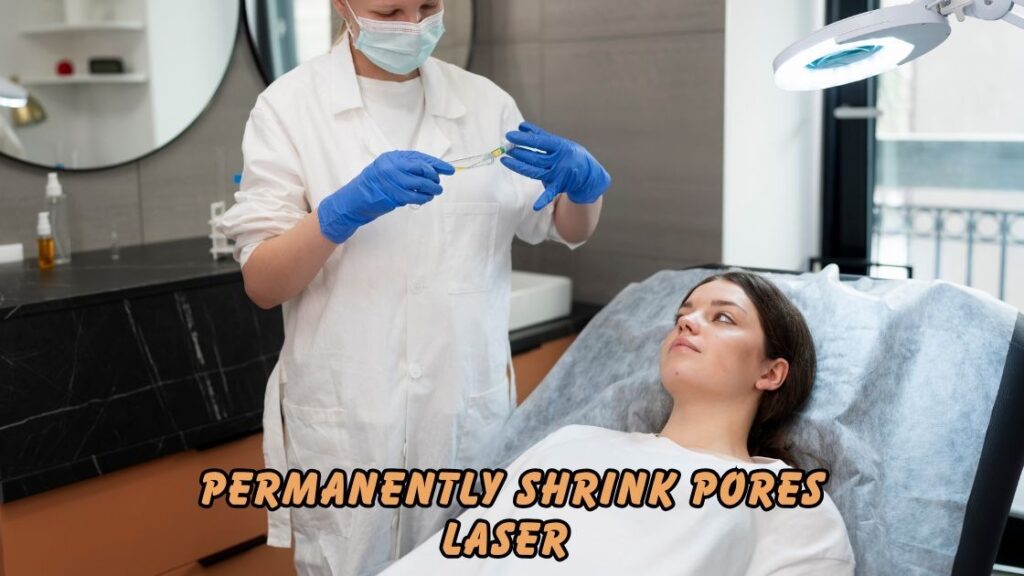
If you want to permanently shrink pores laser treatments, you need to know one critical fact before spending thousands of dollars: no laser on the market today can permanently eliminate your pores. Pores are living, functional openings in your skin that release oil and sweat, and they cannot be sealed shut. However, clinical research shows that the right laser treatment can reduce pore visibility by 30% to 54% and maintain those results for 12 to 18 months with proper care.
That is a significant difference you can actually see in the mirror. This guide covers every laser type, the clinical evidence behind each one, realistic costs, potential risks, recovery timelines, and the daily habits that keep results lasting as long as possible.
Table of Contents
Why Do Pores Become Enlarged?
Enlarged pores develop when the skin around pore openings loses structural support or becomes stretched by excess oil and debris. Understanding the root cause helps you choose the most effective treatment.
According to a review published in Dermatologic Surgery, the primary factors behind visible pore enlargement include:
- Genetics: Your DNA determines baseline pore size. Some people inherit naturally larger sebaceous glands and wider pore openings.
- Aging: Collagen and elastin production slows over time. Without this scaffolding, skin around each pore loosens and the opening appears bigger.
- Excess sebum production: Oily skin pushes pore walls outward. This is why pores tend to look largest in the T zone area around the nose, forehead, and chin.
- Sun damage: UV radiation degrades collagen fibers that support pore structure, as noted by the American Academy of Dermatology.
- Pore clogging products: Heavy cosmetics and comedogenic ingredients trap debris inside pores, stretching them over time.
The average human face has approximately 300,000 pores, according to Face Beauty Science. You cannot remove them, nor should you try. The realistic goal is tightening the surrounding tissue so each opening appears smaller and less visible.
How Does Laser Treatment Reduce Pore Size?
Laser pore reduction works by sending focused light energy into the mid and deep layers of the skin, triggering a wound healing response that generates fresh collagen and elastin fibers around each pore.
A study published in Lasers in Surgery and Medicine (PMC) found that this process involves collagen remodeling around dilated pilosebaceous openings, which causes pore shrinkage and surface smoothing that continues improving for up to six months after the final session.
There are three main categories of lasers used for pore treatment:
- Ablative lasers remove thin layers of skin to force deep regeneration. These include CO2 and erbium lasers.
- Non ablative lasers heat the tissue beneath the surface without removing skin. Recovery is faster but results are more gradual.
- Fractional lasers treat only a percentage of the skin’s surface at a time, creating thousands of tiny treatment zones surrounded by healthy tissue for faster healing. These can be either ablative or non ablative.
Best Laser Treatments for Shrinking Enlarged Pores
Choosing the right laser depends on your pore severity, skin tone, pain tolerance, and how much downtime you can afford. Here is what the clinical evidence says about each major option.
Fractional CO2 Laser
Fractional CO2 is the most aggressive and effective option for large, deep pores. According to a clinical trial published in PubMed, three sessions of low energy fractional CO2 laser reduced the number of enlarged pores by 54.5% at the 12 week follow up evaluation. These lasers penetrate 2 to 3 millimeters into the dermis, as reported by Face Beauty Science, which allows for deep tissue remodeling.
Recovery takes one to two weeks. Redness and peeling are expected. This laser delivers the most dramatic improvement per session but carries a higher risk of side effects, especially for darker skin tones.
Fraxel Laser
Fraxel is a fractional laser that balances strong results with moderate downtime. According to Laser & Skin Surgery Center of New York, Fraxel works in the dermal layer to stimulate collagen and elastin production across thousands of microscopic treatment zones.
As reported by Dr. Cameron Rokhsar’s practice, patients generally notice smoother texture after three to five sessions, with results continuing to build for up to six months. Many dermatologists consider Fraxel the gold standard for moderate pore enlargement.
Picosecond Laser (PicoSure)
Picosecond lasers deliver ultra short energy bursts measured in trillionths of a second. A clinical study published in Lasers in Surgery and Medicine (PMC) tracked 25 patients through three treatment sessions and documented an average 30% reduction in pore size at six months. Improvement continued progressively from the one month to the six month follow up mark.
This laser is especially well suited for darker skin types (Fitzpatrick III to IV) because it carries a lower risk of pigmentation changes compared to ablative options.
Clear + Brilliant
Clear + Brilliant is a gentle fractional diode laser approved by the FDA for skin resurfacing. According to a 2024 study published in Dermatologic Surgery (PMC), 96.4% of participants reported improved overall appearance after combination treatment with its 1440 nm and 1927 nm wavelengths, with statistically significant improvements across all measures of skin quality.
LaserAway notes that many patients see visible improvement after just one session. Each treatment takes roughly 30 minutes with minimal downtime, earning it the nickname of a “lunchtime laser.”
Nd:YAG Laser (1064 nm)
The Nd:YAG laser is a versatile option that targets pore size and sebum production simultaneously. A split face trial published in PMC found that 75% of subjects showed improvement after treatment with this laser combined with a topical carbon suspension, while 67% improved without the carbon enhancer.
A separate study published in PMC confirmed that both micropulsed and Q switched modes of the 1064 nm Nd:YAG laser significantly reduced pore size and sebum levels, with results maintained at 8 weeks post treatment.
Erbium Laser
As described by Laser & Skin Surgery Center of New York, erbium lasers vaporize water in skin cells and remove micro layers of the surface. Cleveland Clinic notes that erbium lasers cause fewer side effects than CO2 options, making them a strong choice for patients with darker skin tones who want ablative results with reduced risk.
Recovery takes approximately one week, which is shorter than CO2 laser healing.
Laser Comparison Table: Pore Reduction at a Glance
| Laser Type | Pore Reduction | Sessions | Downtime | Pain Level | Best For |
| Fractional CO2 | Up to 54% | 1 to 3 | 1 to 2 weeks | Moderate to high | Severe enlargement |
| Fraxel | 25% to 40% | 3 to 5 | 3 to 7 days | Moderate | Moderate pores |
| Picosecond | ~30% | 3 to 5 | Minimal | Low to moderate | Dark skin tones |
| Clear + Brilliant | 15% to 25% | 3 to 6 | 1 to 2 days | Low | Mild pores, maintenance |
| Nd:YAG | 20% to 30% | 3 to 5 | Minimal | Low | Oily skin, sebum control |
| Erbium | 25% to 35% | 1 to 3 | ~1 week | Moderate | Darker skin tones |
What Results Can You Realistically Expect?
Laser pore treatments produce gradual results that build over weeks and months as new collagen forms. Here is a typical healing and results timeline.
- Week 1: Redness, mild swelling, and peeling (severity depends on laser type). Pores may temporarily look larger due to inflammation.
- Weeks 2 to 4: Skin begins settling. Early texture improvement becomes noticeable. Surface feels smoother.
- Months 1 to 3: Collagen remodeling accelerates. Pore size visibly decreases. Skin appears firmer and more even.
- Months 3 to 6: Peak improvement. According to Lasers in Surgery and Medicine (PMC), pore size continues improving significantly between the one month and six month marks after the final treatment session.
Results typically last 12 to 18 months for laser treatments and 12 to 24 months for radiofrequency based devices like Morpheus8, as reported by Face Beauty Science. Maintenance sessions once or twice per year can extend these outcomes.
How Much Does Laser Pore Treatment Cost?
Pricing depends on laser type, geographic location, provider expertise, and the number of sessions required. Below are estimated ranges per session in the United States.
| Laser Type | Cost Per Session (USD) | Total Cost Estimate |
| Fractional CO2 | $1,000 to $5,000 | $1,000 to $15,000 |
| Fraxel | $800 to $2,000 | $2,400 to $10,000 |
| Picosecond | $400 to $1,500 | $1,200 to $7,500 |
| Clear + Brilliant | $300 to $700 | $900 to $4,200 |
| Nd:YAG | $300 to $800 | $900 to $4,000 |
| Erbium | $800 to $2,500 | $800 to $7,500 |
According to Dr. Davin Lim, full ablative laser resurfacing for severe or pathological pores can start at $4,900 or higher per session. The American Society of Plastic Surgeons estimates average costs of $2,509 for ablative and $1,445 for non ablative resurfacing procedures.
Insurance does not cover laser pore reduction because it is classified as an elective cosmetic procedure.
Risks and Side Effects You Should Know
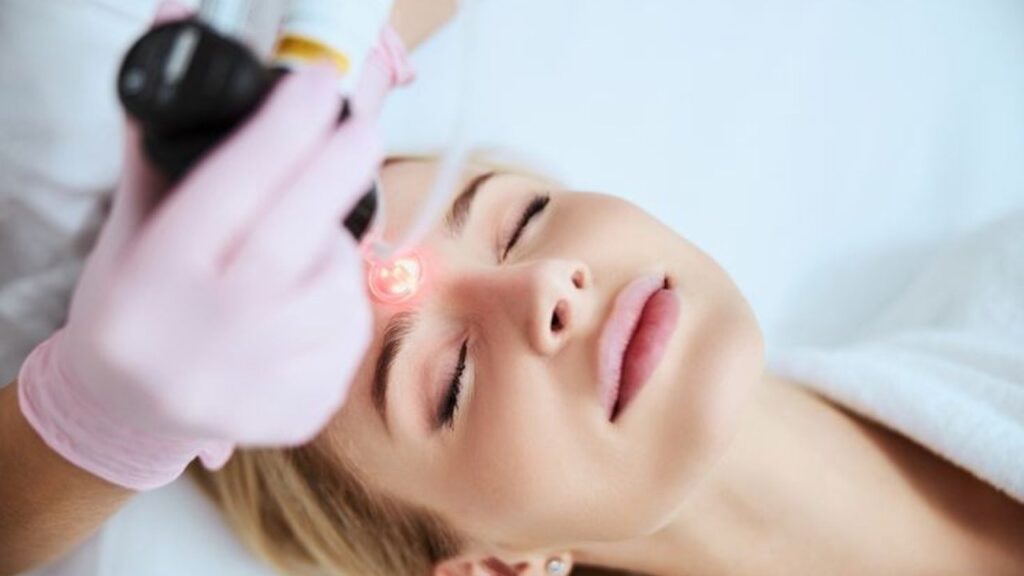
Laser pore treatment is generally safe when performed by a qualified provider, but every procedure carries potential risks. Understanding these helps you make an informed decision.
Common side effects (temporary):
- Redness and swelling lasting days to weeks
- Mild peeling and skin flaking
- Temporary sensitivity to touch and sunlight
- Small white bumps (milia) during healing
- Acne flare ups in the treated area
Less common risks:
- Hyperpigmentation (skin darkening), especially in darker skin tones
- Hypopigmentation (skin lightening), which can be permanent in rare cases
- Prolonged redness lasting several months
- Contact dermatitis from post treatment products
Rare but serious complications:
According to a review published in PMC, scarring occurred in approximately 3.8% of cases in one documented series, and every instance was linked to infection. This underscores why proper aftercare and provider selection are essential.
Cleveland Clinic notes that increased sun sensitivity can persist for up to one year after treatment, making daily sunscreen use non negotiable during recovery.
Who Should Avoid Laser Pore Treatment?
Laser pore reduction is not right for everyone. You may need to postpone or choose an alternative if any of the following apply:
- Active acne or skin infections: Laser energy can worsen inflammation and spread bacteria across the treatment area.
- Current isotretinoin (Accutane) use: This medication thins the skin and impairs healing. Most dermatologists require patients to stop isotretinoin at least six months before laser resurfacing.
- History of keloid scarring: As noted by PMC, patients prone to keloids or hypertrophic scarring should avoid aggressive resurfacing.
- Pregnancy or breastfeeding: Laser treatments are not recommended during pregnancy due to limited safety data.
- Recent tan or sun exposure: Tanned skin increases the risk of burns and pigmentation changes. Wait at least two to four weeks after sun exposure.
- Compromised immune system: Reduced healing capacity raises infection and scarring risks.
Always disclose your complete medical history during the consultation so your provider can assess your candidacy properly.
How to Prepare for Your Laser Pore Treatment
Proper preparation maximizes results and minimizes complications. Follow these steps before your scheduled appointment:
- Stop retinoids and exfoliating acids at least five to seven days before treatment. These products thin the skin and increase sensitivity.
- Avoid sun exposure for at least two weeks prior. Wear broad spectrum SPF 30 or higher every day.
- Disclose all medications to your provider, including supplements like vitamin E and fish oil that can affect blood clotting.
- Ask about antiviral medication if you have a history of cold sores. As noted by WebMD, laser resurfacing can trigger herpes simplex reactivation around the mouth.
- Stop smoking at least two weeks before and after treatment. Tobacco significantly slows wound healing.
- Arrive with a clean face free of makeup, moisturizer, and sunscreen unless your provider gives different instructions.
Aftercare Tips to Keep Pores Looking Smaller
Post treatment care directly impacts how long your results last. Follow these guidelines to protect your investment:
- Moisturize consistently with a gentle, fragrance free product for the first one to two weeks. Avoid anything with active ingredients until cleared by your provider.
- Wear SPF 30+ daily without exception. Face Beauty Science emphasizes that UV exposure breaks down collagen and can reverse the tightening effects of treatment.
- Do not touch, pick, or scratch treated areas. Removing scabs or flaking skin prematurely increases scarring risk.
- Skip makeup for the first 48 to 72 hours or until your provider approves it. When you resume, use oil free formulas.
- Avoid saunas, hot showers, and intense exercise for the first three to five days to prevent excess sweating and irritation.
- Resume retinoids after six weeks or as directed by your provider. According to the American Society of Plastic Surgeons, glycolic acid and retinoid products should only be reintroduced after full healing.
Combining Lasers With Other Pore Reducing Treatments
Many board certified dermatologists recommend a multi modal approach for the most comprehensive pore improvement. Combining laser therapy with complementary procedures addresses pore size from multiple angles.
- Chemical peels: As described by Laser & Skin Surgery Center of New York, acid solutions exfoliate the skin surface and promote faster cell renewal. Glycolic, salicylic, and trichloroacetic acid peels each target different depths.
- Microneedling: Creates controlled micro injuries that stimulate additional collagen and elastin beyond what lasers reach. Results typically last 6 to 12 months.
- Radiofrequency (RF) devices: According to research cited in Lasers in Surgery and Medicine (PMC), bipolar fractional RF treatments significantly improve skin elasticity while increasing procollagen types I and III as well as elastin levels.
- Professional facials and extractions: Regular deep cleansing prevents the buildup of oil and debris that stretches pore openings over time.
Discuss a combination protocol with your dermatologist to build a customized plan based on your specific skin type and pore concerns.
Topical Ingredients That Support and Extend Laser Results
Laser treatments deliver the best long term value when combined with an effective at home skincare routine. These ingredients are widely supported by dermatological research:
- Retinoids (tretinoin or over the counter retinol): Accelerate cell turnover, prevent pore clogging, and stimulate ongoing collagen production.
- Niacinamide (Vitamin B3): Regulates sebum output and improves overall skin texture with consistent daily use.
- Salicylic acid (BHA): Penetrates inside the pore lining to dissolve trapped oil and dead skin cells. Ideal for oily and acne prone skin types.
- Hyaluronic acid: Provides deep hydration without heaviness, helping skin look plump and smooth, which naturally minimizes the appearance of pores.
- Vitamin C serum: Supports collagen synthesis and protects against free radical damage that degrades pore structure.
What If Laser Treatment Is Not in Your Budget?
Not everyone can invest $1,000+ in professional laser sessions. If cost is a barrier, these clinically supported alternatives can still deliver visible pore improvement:
- Prescription retinoids from a dermatologist offer one of the highest returns on investment for pore management.
- At home microneedling devices (0.25 mm to 0.5 mm) can stimulate mild collagen production, though results are far less dramatic than professional treatments.
- Regular salicylic acid cleansing keeps pores clear and prevents the buildup that makes them look larger.
- Consistent sunscreen use prevents collagen breakdown, which is one of the top causes of pore enlargement after genetics.
- Professional chemical peels at a medical spa or dermatology clinic are generally less expensive than laser sessions and can provide meaningful improvement over a series of treatments.
Conclusion
No laser available today can permanently shrink pores because pore openings are a necessary part of the skin’s structure. However, clinical evidence shows that fractional CO2 lasers can reduce pore count by up to 54.5%, picosecond lasers deliver roughly 30% pore size reduction, and even gentle options like Clear + Brilliant produce statistically significant improvements with minimal downtime.
The path to visibly smaller pores starts with choosing a board certified dermatologist who can match the right laser to your skin type and goals. From there, committing to sun protection, retinoid use, and scheduled maintenance sessions keeps results looking fresh year after year.
If enlarged pores have been affecting your confidence or skin texture, schedule a consultation with an experienced laser specialist to explore your options. And if this guide helped you understand your choices, share it with someone else who is researching pore reduction treatments.
Frequently Asked Questions
Can laser treatment permanently close pores? No. Pores are functional skin structures that release oil and sweat, so they cannot be permanently sealed. Laser treatments stimulate collagen remodeling around pore openings, which makes them appear significantly smaller for 12 to 18 months. Maintenance sessions and consistent skincare extend results further.
How many laser sessions does it take to shrink pores? Most patients need three to five sessions spaced four to six weeks apart for optimal results. A study in Lasers in Surgery and Medicine (PMC) showed progressive improvement continuing up to six months after the final session. Your dermatologist will adjust the treatment plan based on your pore severity and skin type.
Is laser pore reduction painful? Most patients describe the sensation as warm prickling or tingling. According to The Dermatology, Laser & Vein Center, a topical numbing cream is applied before treatment to keep discomfort manageable. Non ablative lasers like Clear + Brilliant and Nd:YAG tend to cause the least discomfort.
Which laser works best for large pores? Fractional CO2 lasers offer the most dramatic pore reduction per session, with one clinical trial reporting a 54.5% decrease in enlarged pores after three treatments. For patients with darker skin tones or those seeking less downtime, picosecond and Nd:YAG lasers provide effective alternatives with fewer pigmentation risks.
How long do laser pore reduction results last? Results from laser pore treatments typically last 12 to 18 months, according to Face Beauty Science. Radiofrequency treatments like Morpheus8 can extend that window to 12 to 24 months. Daily retinoid use, sunscreen, and annual touch up sessions help maintain smaller looking pores long term.
Are laser pore treatments safe for dark skin? Yes, when performed by an experienced provider. Picosecond lasers and non ablative fractional devices carry the lowest risk of post inflammatory hyperpigmentation in patients with Fitzpatrick skin types III through VI. A 2024 randomized trial in Lasers in Medical Science confirmed that both 1064 nm Nd:YAG and 1565 nm non ablative fractional lasers effectively reduced pores in Asian patients with minimal side effects. Always choose a dermatologist experienced in treating diverse skin tones.
What should I avoid after laser pore treatment? Avoid direct sun exposure, active skincare ingredients (retinoids, AHAs, BHAs), heavy makeup, saunas, and intense exercise for the first few days to one week post treatment. The American Society of Plastic Surgeons recommends waiting at least six weeks before resuming retinoid or glycolic acid products.